
Buprenorphine: Uses, Benefits, Side Effects, and Important Safety Information
Buprenorphine is a prescription medication commonly used in the treatment of opioid use disorder (OUD) and pain management. It has become an important tool in modern medicine because it helps reduce opioid cravings, manage withdrawal symptoms, and support long-term recovery programs.
Healthcare professionals worldwide prescribe buprenorphine as part of medication-assisted treatment (MAT), which combines medication with counseling and behavioral therapy. This article provides a complete and SEO-optimized overview of buprenorphine, including its uses, benefits, side effects, safety considerations, and how it works.
What Is Buprenorphine?
Buprenorphine is a partial opioid agonist medication. This means it interacts with opioid receptors in the brain but produces weaker effects than full opioid agonists such as heroin, fentanyl, or oxycodone.
Because of its unique pharmacological properties, buprenorphine can help:
- Reduce opioid cravings
- Minimize withdrawal symptoms
- Lower the risk of misuse
- Support recovery from opioid dependence
Buprenorphine is approved for medical use in many countries and is available in several formulations, including tablets, films, injections, and patches.
How Buprenorphine Works
Buprenorphine works by partially activating opioid receptors in the brain. This helps stabilize patients experiencing opioid dependence without producing the same intense euphoric effects associated with stronger opioids.
Its “ceiling effect” limits certain opioid effects at higher doses, which may reduce the risk of respiratory depression compared to some other opioids.
By reducing cravings and withdrawal symptoms, buprenorphine helps individuals focus on recovery, therapy, and daily functioning.
Medical Uses of Buprenorphine
Treatment of Opioid Use Disorder (OUD)
One of the primary uses of buprenorphine is treating opioid addiction. It is commonly prescribed as part of medication-assisted treatment programs.
Benefits in opioid use disorder treatment include:
- Reduced cravings
- Less severe withdrawal symptoms
- Improved treatment retention
- Lower risk of relapse
- Increased stability during recovery
Pain Management
In some cases, buprenorphine is prescribed for chronic pain management. Certain formulations are specifically approved for treating moderate to severe pain in patients requiring long-term opioid therapy.
Forms of Buprenorphine
Buprenorphine is available in multiple forms depending on treatment needs.
Sublingual Tablets and Films
These dissolve under the tongue or inside the cheek and are commonly used in opioid dependence treatment.
Extended-Release Injections
Long-acting injectable formulations provide medication over weeks or months to improve treatment consistency.
Transdermal Patches
Patches slowly release medication through the skin and are often used for chronic pain management.
Benefits of Buprenorphine Treatment
Reduced Opioid Cravings
Buprenorphine helps reduce intense cravings that can contribute to relapse during recovery.
Improved Recovery Outcomes
Research shows that medication-assisted treatment with buprenorphine can improve long-term recovery success for many individuals with opioid use disorder.
Lower Risk Compared to Full Opioids
Because it is a partial opioid agonist, buprenorphine may carry a lower risk of overdose than stronger opioid medications when used properly.
Supports Daily Stability
Patients receiving treatment often experience improved daily functioning, employment stability, and social relationships.
Common Side Effects of Buprenorphine
Like all medications, buprenorphine can cause side effects. Common side effects may include:
- Headache
- Nausea
- Constipation
- Sweating
- Drowsiness
- Dizziness
- Sleep disturbances
Some patients may experience more serious side effects that require medical attention.
Important Safety Information
Buprenorphine should only be used under medical supervision. Misuse or combining it with other substances can increase health risks.
Risk of Respiratory Depression
Combining buprenorphine with alcohol, benzodiazepines, or other sedatives may increase the risk of dangerous breathing problems.
Dependence and Misuse Potential
Although buprenorphine is used to treat opioid dependence, it still has the potential for misuse and physical dependence if not used properly.
Keep Medication Secure
Patients should store medication safely and never share prescriptions with others.
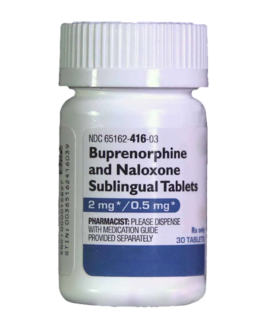
Buprenorphine and Naloxone Combination Products
Some medications combine buprenorphine with naloxone to reduce misuse potential.
Examples include combination products used in opioid dependence treatment programs. Naloxone helps discourage injection misuse because it can trigger withdrawal symptoms if injected improperly.
Who Should Use Buprenorphine?
Buprenorphine may be appropriate for:
- Individuals with opioid use disorder
- Patients transitioning from stronger opioids
- Certain chronic pain patients under medical supervision
However, treatment suitability depends on individual medical evaluation.
Who Should Avoid Buprenorphine?
Buprenorphine may not be suitable for people with:
- Severe respiratory conditions
- Certain liver disorders
- Allergies to opioid medications
- Specific medication interactions
A healthcare provider should evaluate all risks before prescribing treatment.
Tips for Safe Buprenorphine Use
To maximize treatment safety and effectiveness:
- Follow prescription instructions carefully
- Attend regular medical appointments
- Avoid alcohol and unauthorized substances
- Inform doctors about all medications being used
- Store medication securely
Ongoing monitoring is important during treatment.
Why Medication-Assisted Treatment Matters
Medication-assisted treatment (MAT) using medications like buprenorphine plays a major role in addressing opioid addiction. MAT combines medical treatment with counseling and support services to improve long-term recovery outcomes.
Studies show that MAT can help reduce overdose risk, improve treatment retention, and support healthier lifestyles.
Buprenorphine is an important medication used in opioid addiction treatment and pain management. By helping reduce cravings and withdrawal symptoms, it supports individuals working toward recovery and long-term stability.
When prescribed and monitored by qualified healthcare professionals, buprenorphine can be an effective part of comprehensive treatment programs. However, because it is still an opioid medication, proper medical supervision and responsible use are essential.
Anyone considering buprenorphine treatment should consult a licensed healthcare provider to discuss risks, benefits, and the most appropriate treatment options for their specific situation.


Reviews
There are no reviews yet.