
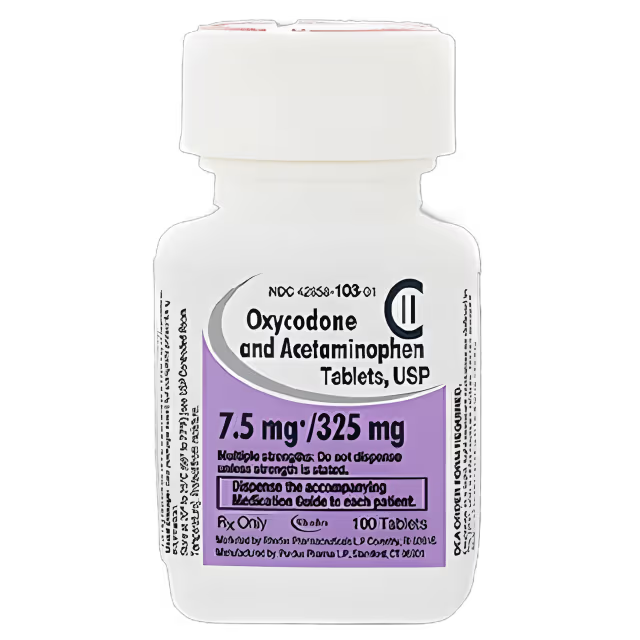
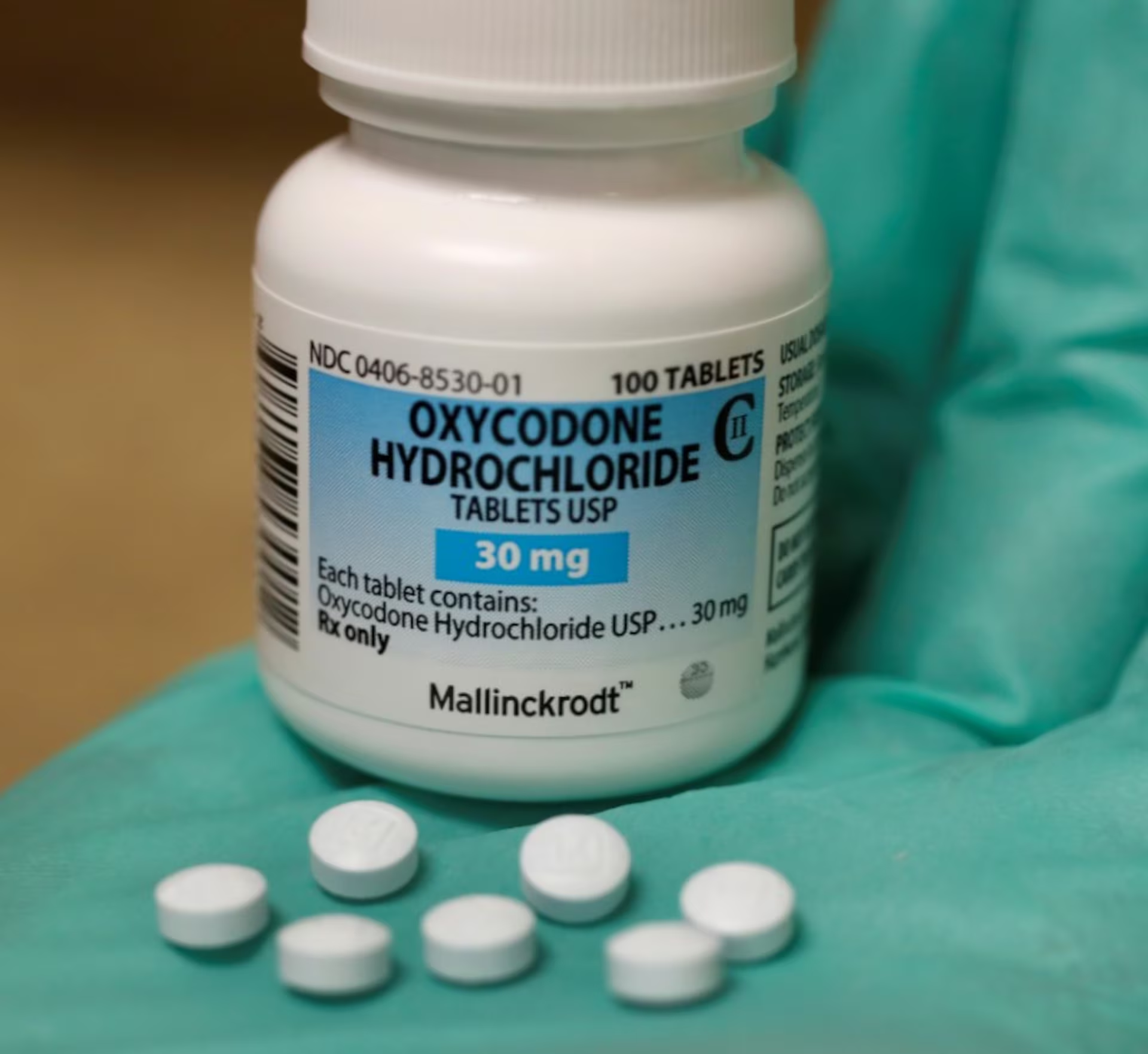
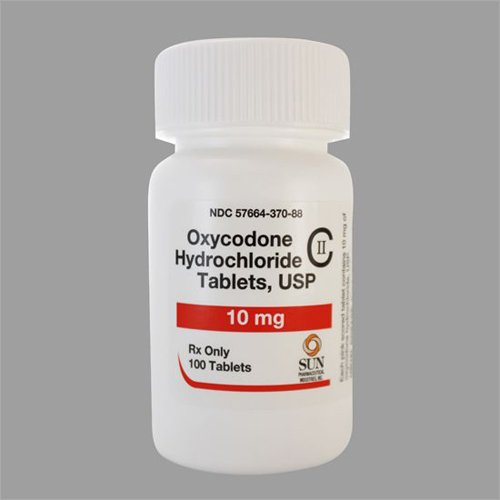
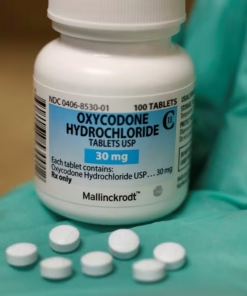
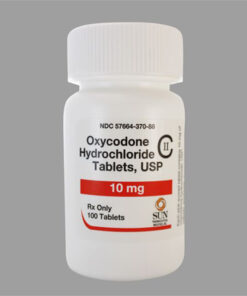
Oxycodone


Price range: $80.00 through $210.00
Oxycodone remains an important prescription medication for managing moderate to severe pain in medical settings. When used properly under professional supervision, it can significantly improve comfort and quality of life for patients dealing with serious pain conditions.
Oxycodone: Uses, Benefits, Side Effects, and Important Safety.
Oxycodone is a powerful prescription opioid medication commonly used to manage moderate to severe pain. It is widely prescribed in medical settings for patients recovering from surgery, injury, or chronic pain conditions when other pain treatments are not effective.
What Is Oxycodone?
Oxycodone is a prescription opioid analgesic used to relieve pain. It works by binding to opioid receptors in the brain and nervous system, helping reduce the perception of pain signals.
Doctors may prescribe oxycodone for:
- Post-surgical pain
- Injury-related pain
- Cancer-related pain
- Severe chronic pain conditions
Oxycodone is available in multiple formulations, including immediate-release and extended-release tablets or capsules.
How Oxycodone Works
Oxycodone affects the central nervous system by interacting with opioid receptors. These receptors help regulate pain, emotions, and certain bodily functions.
When taken as prescribed, oxycodone may help:
- Reduce pain intensity
- Improve physical comfort
- Support recovery after medical procedures
- Improve quality of life in certain chronic pain conditions
Because it acts directly on the nervous system, oxycodone must be used carefully under medical supervision.
Medical Uses of Oxycodone
Acute Pain Management
Oxycodone is often prescribed for short-term pain after surgery, trauma, or serious injury.
Chronic Pain Treatment
In some cases, healthcare providers may prescribe oxycodone for chronic pain when alternative treatments are insufficient.
Cancer Pain Relief
Patients experiencing severe cancer-related pain may receive opioid medications such as oxycodone as part of pain management therapy.
Forms of Oxycodone
Oxycodone comes in different forms depending on treatment needs.
Immediate-Release Oxycodone
This form works quickly and is generally used for short-term or breakthrough pain.
Extended-Release Oxycodone
Extended-release formulations are designed to provide long-lasting pain relief over several hours.
Combination Medications
Some medications combine oxycodone with non-opioid pain relievers such as acetaminophen.
Benefits of Oxycodone
Effective Pain Relief
Oxycodone is highly effective for managing moderate to severe pain when used correctly.
Improved Comfort and Recovery
Patients recovering from surgery or injury may experience improved mobility and comfort with appropriate pain management.
Long-Lasting Relief Options
Extended-release formulations can help provide continuous pain control for certain patients.
Common Side Effects of Oxycodone
Like all opioid medications, oxycodone may cause side effects. Common side effects include:
- Drowsiness
- Constipation
- Nausea
- Dizziness
- Dry mouth
- Fatigue
- Vomiting
Some side effects may improve as the body adjusts to the medication.
Serious Risks and Warnings
Risk of Dependence and Addiction
Oxycodone carries a significant risk of misuse, physical dependence, and addiction, especially when used improperly or for long periods.
Respiratory Depression
High doses or misuse can slow breathing, which may become life-threatening.
Overdose Risk
Combining oxycodone with alcohol, benzodiazepines, or other sedatives increases overdose risk.
Tolerance
Over time, some patients may require careful dose adjustments under medical supervision due to tolerance development.
Important Safety Information
Oxycodone should only be taken exactly as prescribed by a licensed healthcare provider.
Never Share Prescription Medication
Sharing opioid medications is dangerous and illegal.
Store Medication Securely
Keep oxycodone away from children, pets, and unauthorized individuals.
Follow Dosage Instructions Carefully
Patients should never increase dosage without physician approval.
Signs of Oxycodone Misuse
Warning signs of misuse may include:
- Taking higher doses than prescribed
- Cravings for medication
- Doctor shopping
- Mood changes
- Sedation or confusion
- Using medication for non-medical reasons
Early intervention is important if misuse is suspected.
Oxycodone and Opioid Addiction Treatment
Individuals struggling with opioid misuse may benefit from professional treatment programs.
Treatment options may include:
- Medication-assisted treatment (MAT)
- Behavioral therapy
- Counseling
- Support groups
- Inpatient or outpatient rehabilitation
Seeking professional help can improve recovery outcomes.
Who Should Avoid Oxycodone?
Oxycodone may not be suitable for individuals with certain conditions, including:
- Severe respiratory disease
- History of opioid addiction
- Certain liver conditions
- Allergy to opioid medications
Healthcare providers evaluate each patient individually before prescribing opioids.
Tips for Safe Oxycodone Use
To improve safety during treatment:
- Take medication only as directed
- Avoid alcohol and unauthorized substances
- Inform doctors about all medications being used
- Attend regular follow-up appointments
- Dispose of unused medication properly
Responsible use is essential for reducing risks.
Alternatives to Opioid Pain Management
Depending on the condition, doctors may recommend alternatives such as:
- Physical therapy
- Non-opioid pain relievers
- Nerve blocks
- Behavioral therapy
- Lifestyle modifications
Pain management plans are often individualized based on patient needs.
Oxycodone remains an important prescription medication for managing moderate to severe pain in medical settings. When used properly under professional supervision, it can significantly improve comfort and quality of life for patients dealing with serious pain conditions.
However, because oxycodone carries substantial risks of dependence, misuse, and overdose, careful medical monitoring and responsible use are essential. Patients should always follow healthcare provider instructions and discuss any concerns about side effects, tolerance, or long-term use.
Anyone considering opioid treatment should consult a qualified healthcare professional to determine the safest and most appropriate pain management options for their condition.
| Quantity | 5 GRAMS, 10 GRAMS, 20 GRAMS, 30 GRAMS, 40 GRAMS |
|---|
Be the first to review “Oxycodone”
Related products


K2 Chem / K2 powder


K2 Chem / K2 powder

K2 Chem / K2 powder
K2 Chem / K2 powder
Reviews
There are no reviews yet.