Uncategorized
Where Is JWH-018 Found?
Jun
Where Is JWH-018 Found? A Complete Guide to Sources, Presence, Risks, and Legal Status
The question “Where is JWH-018 found?” appears frequently in online searches across the USA, UK, and Europe, often driven by curiosity about synthetic cannabinoids and their presence in different products. However, JWH-018 is not a naturally occurring compound found in cannabis or plants. Instead, it is a laboratory-made synthetic cannabinoid that has been widely studied, regulated, and in many regions, banned due to safety concerns.
This guide explains what JWH-018 is, where it has been found historically, how it entered consumer markets, its legal status, and why health authorities continue to monitor it closely.
What Is JWH-018?
JWH-018 is a synthetic cannabinoid, meaning it is a man-made chemical designed to interact with the same CB1 receptors in the brain that respond to THC, the primary psychoactive compound in cannabis.
It was originally developed in the 1990s for scientific research by chemist John W. Huffman (which is where “JWH” comes from). The compound was never intended for human consumption.
Unlike natural cannabis compounds, JWH-018:
- Does not come from the cannabis plant
- Is chemically synthesized in laboratories
- Can vary in potency depending on formulation
- Has been linked to unpredictable effects
Because of these factors, JWH-018 became one of the earliest synthetic cannabinoids associated with public health concerns.
So, Where Is JWH-018 Found?
JWH-018 is not naturally found in the environment, plants, or cannabis products. Instead, it has historically been found in:
1. Synthetic Herbal Mixtures (So-Called “Spice” Products)
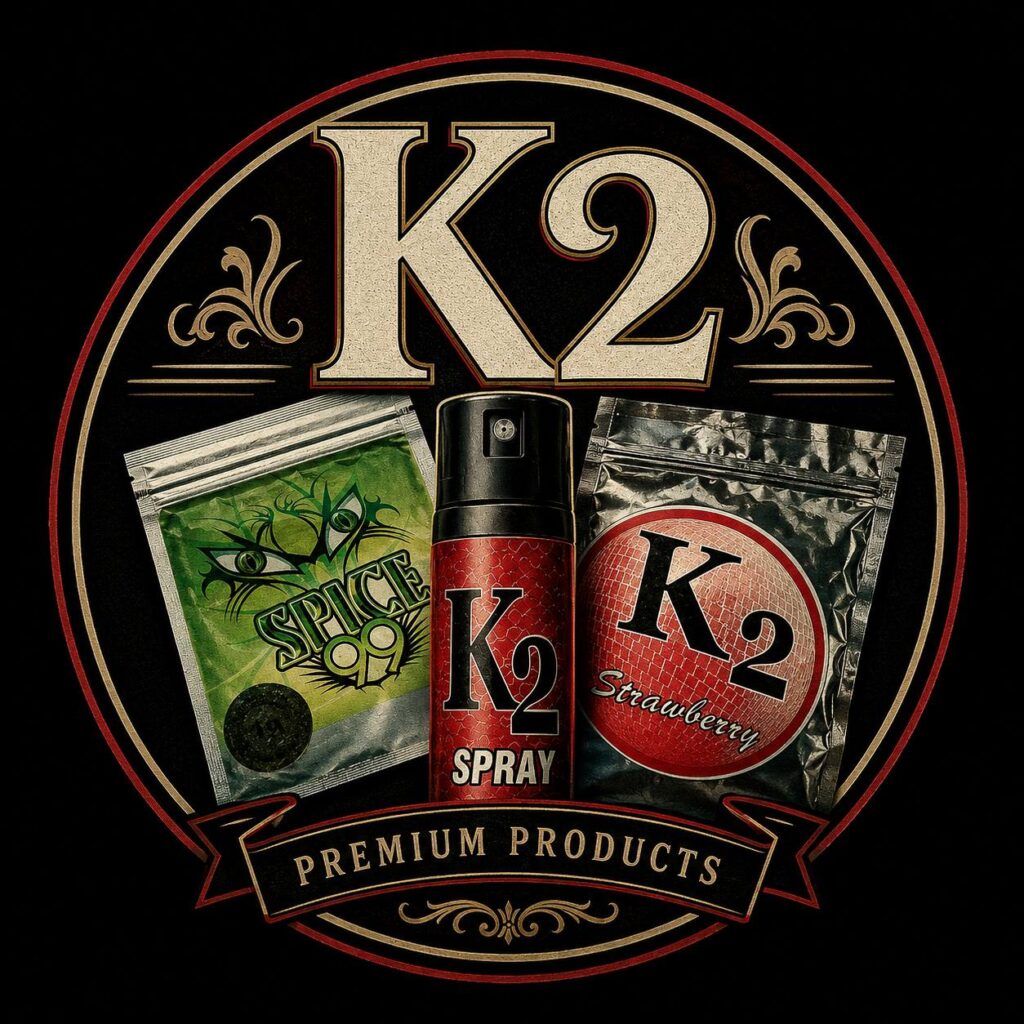
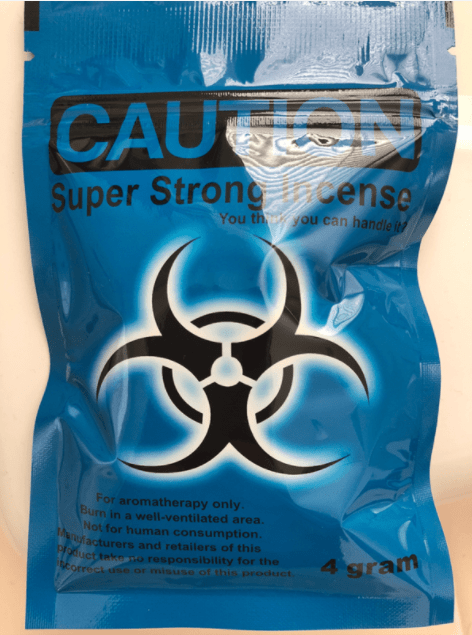
The most well-known appearance of JWH-018 was in early “herbal incense” products marketed under names like:
- Spice
- K2
- Herbal blends
- Smoking mixtures
In these products, plant material was sprayed with synthetic cannabinoid chemicals, including JWH-018, to mimic the effects of THC.
However, because formulations changed frequently, not all products contained the same chemicals, and JWH-018 was only one of many compounds used.
2. Illicitly Manufactured Research Chemicals
JWH-018 has also been found in:
- Unregulated laboratory “research chemicals”
- Powdered synthetic cannabinoid blends
- Online chemical marketplaces (historically, prior to regulation)
These products are not standardized and may contain unknown or mixed synthetic compounds.
3. Contaminated or Misrepresented Products (Historically)
Before regulations were strengthened, JWH-018 was sometimes detected in products labeled as:
- “Legal highs”
- “Herbal smoking blends”
- “Natural incense”
This misrepresentation contributed to confusion among consumers and regulators.
Today, in most regulated markets, such products are illegal or heavily controlled.
Why JWH-018 Was Used in Products
JWH-018 gained popularity in the early 2000s because it could produce THC-like effects when sprayed onto plant material.
Manufacturers used it because:
- It was initially not scheduled in many countries
- It was inexpensive to synthesize
- It could mimic cannabis-like effects
- It was easy to apply to herbal bases
However, its potency and unpredictability quickly led to regulatory action worldwide.
Effects Associated With JWH-018
Research and case reports have documented a range of effects associated with JWH-018 exposure. These effects are not consistent and can vary significantly depending on dose, formulation, and individual sensitivity.
Short-Term Effects
- Altered perception
- Euphoria or relaxation
- Increased heart rate
- Anxiety or agitation
- Confusion
- Dizziness
Severe Adverse Effects (Reported in Medical Literature)
- Panic attacks
- Hallucinations
- Paranoia
- Severe agitation
- Seizure-like activity
- Cardiovascular stress
- Loss of consciousness
Because JWH-018 binds strongly to cannabinoid receptors, its effects can be significantly more intense than natural THC.
Health Risks of JWH-018
Health agencies in the USA, UK, and Europe have issued warnings regarding synthetic cannabinoids, including JWH-018, due to safety concerns.
1. High Potency Variability
Small differences in dosage can result in dramatically different effects.
2. Lack of Quality Control
Unlike regulated cannabis products, JWH-018-containing materials historically had:
- No standardized dosage
- No safety testing
- No consistent formulation
3. Unpredictable Chemical Behavior
Synthetic cannabinoids can interact differently with the brain compared to THC, leading to unexpected reactions.
4. Medical Incidents
Emergency departments have reported cases involving:
- Severe psychological distress
- Cardiovascular complications
- Neurological symptoms
These incidents contributed to global regulatory restrictions.
Legal Status of JWH-018 in USA, UK, and Europe
JWH-018 is now widely controlled or banned across many regions.
United States
JWH-018 is classified as a Schedule I controlled substance under federal law, meaning it is considered to have no accepted medical use and a high potential for abuse.
United Kingdom
The UK classifies JWH-018 under the Misuse of Drugs Act and the Psychoactive Substances Act, making its production, supply, and possession illegal.
Europe
Most European countries have either:
- Explicitly banned JWH-018
- Or included it under broader synthetic cannabinoid controls
Enforcement varies by country, but it is widely restricted across the EU.
Is JWH-018 Found in Legal Cannabis Products Today?
No. In regulated cannabis markets, JWH-018 is not permitted.
Legal cannabis products typically undergo:
- Laboratory testing
- Potency verification
- Contaminant screening
- Regulatory compliance
As a result, JWH-018 is not found in licensed dispensary products in legal markets.
Why JWH-018 Is Important in Drug Policy Discussions
JWH-018 played a significant role in shaping modern drug policy because it was one of the first widely recognized synthetic cannabinoids to appear in recreational products.
Its emergence highlighted:
- The risks of unregulated psychoactive substances
- The need for rapid drug scheduling laws
- The importance of product testing and monitoring
Today, it is often studied as part of public health and forensic toxicology research.
Common Misconceptions About JWH-018
Myth 1: It Is a Natural Cannabis Compound
False. JWH-018 is fully synthetic and does not exist in cannabis plants.
Myth 2: It Is Safe in Small Amounts
There is no standardized safe dose, and effects can vary widely.
Myth 3: It Is Still Commonly Used in Products
In most regulated markets, JWH-018 is banned and rarely found in legal products.
Where Is JWH-018 Found?
So, where is JWH-018 found? The answer is clear: it is not naturally found in plants or cannabis. Instead, it has historically been found in synthetic herbal smoking mixtures, unregulated research chemicals, and illicitly manufactured products.
Due to its strong psychoactive effects and associated health risks, JWH-018 is now heavily regulated or banned across the USA, UK, and Europe. Modern legal cannabis products do not contain this compound and are subject to strict testing and safety standards.
Understanding substances like JWH-018 is important for public awareness, harm reduction, and informed decision-making in an evolving global landscape of cannabis and synthetic cannabinoids.
