Uncategorized
Spice Paper for Sale

Aug
Spice Paper for Sale: What Buyers Should Know Before Making a Purchase
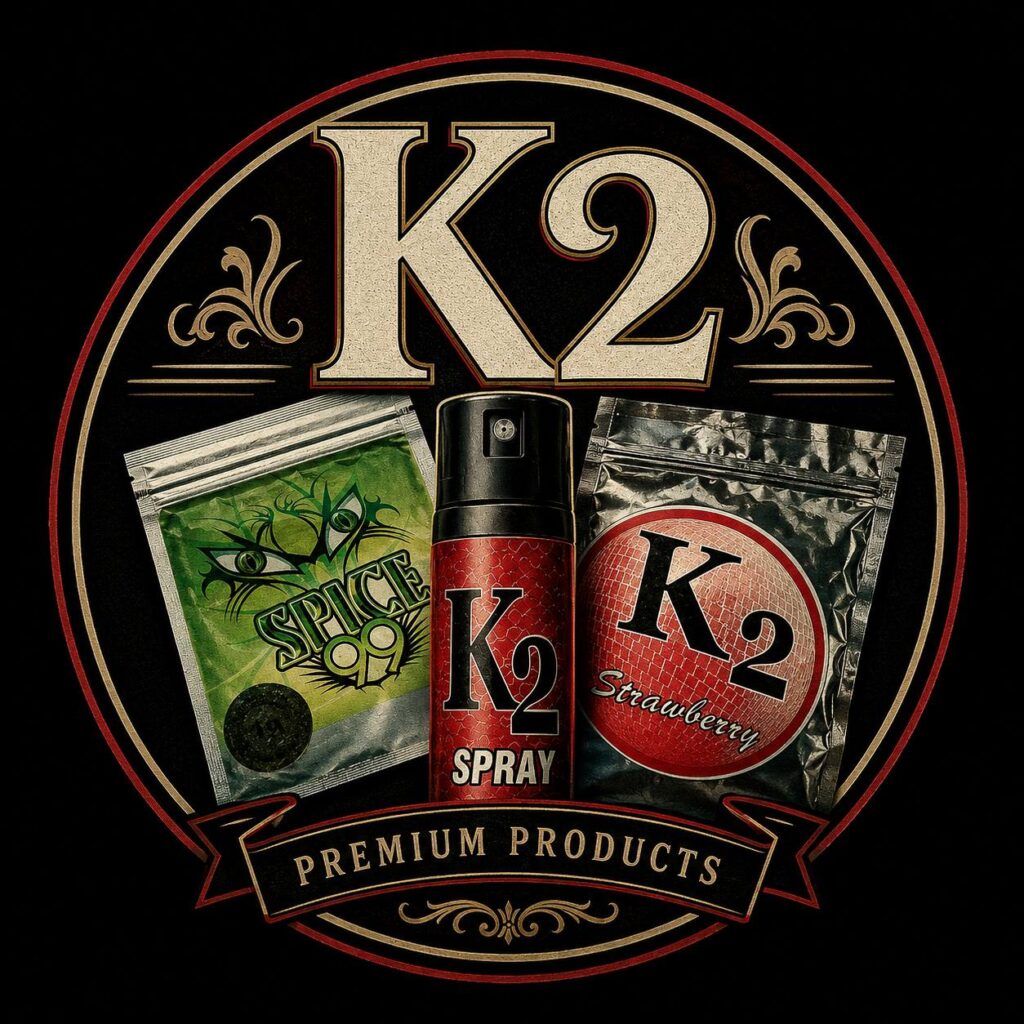
If you have searched for “Spice paper for sale,” you may have encountered listings describing paper products associated with Spice, K2, or other synthetic cannabinoids. Because the terminology can be confusing, it is important to understand what “Spice paper” means, why these products can present serious risks, and how laws differ across the United States, the United Kingdom, and Europe.
This guide provides general information for people researching the topic. It does not provide sellers, purchasing instructions, or methods for making or treating paper with synthetic cannabinoids.
What Is Spice Paper?
“Spice” is a term historically associated with synthetic cannabinoids, a broad group of laboratory-made substances that interact with cannabinoid receptors in the body. The European Union Drugs Agency (EUDA) explains that synthetic cannabinoids are designed to mimic some effects associated with THC, although their chemistry and effects can differ substantially.
The phrase Spice paper can refer to paper or absorbent material that is suspected of containing a synthetic cannabinoid. It can also appear in online searches involving illicit or unregulated drug products.
Unlike ordinary paper, material associated with synthetic cannabinoids may contain an unknown chemical substance. Its appearance alone cannot establish what is present, how concentrated it is, or whether it is contaminated.
That uncertainty is one of the primary reasons consumers should approach “Spice paper for sale” listings with caution.
Why Is Spice Paper Sold Online?
Historically, synthetic cannabinoid products have been marketed in different forms and under numerous names. Early Spice products were promoted as herbal mixtures or products that could produce cannabis-like effects, sometimes using labels such as incense or room fragrance. The EUDA documents the emergence of Spice products on European markets and their association with synthetic cannabinoids.
As regulations changed, new synthetic cannabinoid compounds and product formats appeared. This has made the market difficult for consumers and regulators to monitor.
A product advertised online does not necessarily contain the substance described by the seller. Laboratory analysis of cannabinoid products has demonstrated substantial variation between products and batches, including differences in the type and concentration of cannabinoids present.
Is Spice Paper Legal in the USA?
There is no single answer that applies throughout the United States.
Synthetic cannabinoid laws can involve federal, state, and local regulations. Individual substances may be controlled, while other laws can address broader categories of synthetic cannabinoids or chemically related compounds.
Consequently, seeing a website advertise Spice paper for sale should not be interpreted as evidence that the product is legal to purchase or possess in the United States.
Consumers should check the laws applicable to their particular state and circumstances. Regulations can also change as new synthetic cannabinoid compounds enter the market.
Another important distinction is between being advertised and being legally marketed. An online listing can remain accessible even when the substance being advertised is prohibited.
What About Spice Paper in the UK?
The United Kingdom has historically taken a restrictive approach toward synthetic cannabinoids. The EUDA’s profile of synthetic cannabinoids notes that the UK adopted generic definitions intended to control a wide range of synthetic cannabinoids.
This illustrates why buyers should not rely on product names such as “Spice,” “herbal incense,” or “legal high” when determining legality.
A label does not override drug-control legislation. A product advertised as something other than a drug may still be subject to legal restrictions depending on its chemical contents.
Anyone researching Spice paper for sale in the UK should consult current official UK regulations rather than relying on an online retailer’s statement that a product is legal.
How Does the Situation Differ Across Europe?
European countries do not necessarily have identical rules concerning synthetic cannabinoids.
EUDA data show that European countries have introduced different control measures for synthetic cannabinoids and other new psychoactive substances. More recently, the European drug market has also seen the emergence of semi-synthetic cannabinoids and other compounds marketed as alternatives to cannabis.
This means the legal status of a particular cannabinoid product can differ between countries.
For example, a product marketed online from one European country may not be legal to import, possess, or sell in another.
If you are searching for Spice paper for sale in Europe, determine the rules in the specific country where the product would be received. “Legal in Europe” is not a sufficiently precise claim.
Why Buying Unregulated Spice Products Can Be Dangerous
The most significant issue is not simply legality. It is uncertainty about what the product contains.
Synthetic cannabinoids can vary substantially in potency and chemical composition. The EUDA reports that these substances can be highly potent and are associated with poisoning risks.
Earlier EUDA research also documented concerns about uneven distribution of synthetic cannabinoids in products, creating the possibility that different portions of the same product could contain substantially different concentrations.
This makes it difficult for consumers to predict the effects of an unregulated product.
Potential Effects of Synthetic Cannabinoids
Synthetic cannabinoids can affect the brain and other organs through cannabinoid receptors. However, their effects are not necessarily identical to those of cannabis.
Reported adverse effects can include:
- Anxiety and panic
- Agitation
- Confusion
- Paranoia
- Rapid heartbeat
- Nausea and vomiting
- Hallucinations
- Seizures
- Psychosis
- Loss of consciousness
The EUDA has reported both non-fatal poisonings and deaths associated with synthetic cannabinoids. Serious reported events have included seizures, stroke, heart attack, kidney injury, psychosis, and severe vomiting.
The U.S. Centers for Disease Control and Prevention has likewise described illicit synthetic cannabinoids, commonly called Spice or K2, as potentially capable of causing severe adverse health effects, including death.
Can You Identify Spice Paper by Looking at It?
No.
This is an important point for anyone researching Spice paper.
Color, texture, smell, packaging, or the appearance of paper cannot reliably determine its chemical contents. A piece of paper that looks ordinary could have been exposed to an unknown substance, while a commercially packaged product may not contain what its label claims.
Reliable identification requires appropriate analytical testing.
If you encounter paper that you suspect contains an unknown drug or chemical, do not taste it, burn it, inhale it, or experiment with it to determine what it is.
Does Spice Paper Show Up on a Drug Test?
Drug testing for synthetic cannabinoids is more complicated than conventional marijuana testing.
Many standard cannabis tests are designed to detect THC metabolites. They do not necessarily detect every synthetic cannabinoid. At the same time, specialized laboratory testing can target particular synthetic cannabinoids or their metabolites.
The EUDA notes that synthetic cannabinoids have sometimes been used by people subject to drug testing because some routine tests may not detect newer synthetic cannabinoids.
This does not mean Spice is guaranteed to be undetectable.
Testing technology and drug panels vary, and new compounds continue to appear. Anyone subject to employment, medical, athletic, legal, or correctional drug testing should not assume that a synthetic cannabinoid will escape detection.
Red Flags When Reading Spice Product Listings
If you encounter an online listing associated with Spice paper, several warning signs deserve attention.
Be particularly cautious about listings that:
- Promise guaranteed effects
- Claim a product is “legal everywhere”
- Guarantee that the product will pass a drug test
- Do not identify ingredients
- Provide no credible laboratory testing information
- Use vague descriptions such as “natural Spice”
- Make medical or therapeutic claims without evidence
- Hide the manufacturer’s identity
- Use misleading labels such as “not for human consumption” while marketing an intoxicating product
A professional-looking website does not prove that a product is legitimate, safe, or accurately labeled.
Why “Legal High” Marketing Can Be Misleading
The term legal high has historically been used to describe various new psychoactive substances marketed as alternatives to controlled drugs.
However, legality can change quickly. A substance may also be prohibited under broader legislation even when a specific chemical name is not printed on the packaging.
The EUDA reports that the market for new psychoactive substances continues to evolve, with new compounds emerging in response to regulatory controls.
For consumers, this means that marketing language is a poor substitute for checking current law.
What Are Safer Alternatives?
If you are searching for Spice paper because you want relaxation, a cannabis-like experience, or a particular type of recreational product, consider legal and clearly regulated alternatives appropriate to your location.
Where cannabis is legally available, regulated products may provide substantially more information about ingredients and testing than illicit synthetic cannabinoid products. However, legality does not eliminate all health risks.
For people who are primarily interested in relaxation or wellness rather than intoxication, non-intoxicating alternatives may also be worth considering.
The best choice depends on the reason behind your interest in Spice in the first place.
Frequently Asked Questions
What is Spice paper?
Spice paper is a term that may refer to paper or absorbent material associated with synthetic cannabinoids. The term is not a standardized chemical or product category, so its exact meaning can vary.
Is Spice paper for sale legal?
It depends on the jurisdiction and the chemical involved. Synthetic cannabinoids are subject to different controls in the United States, United Kingdom, and European countries. An online listing does not establish legality.
Is Spice paper the same as K2?
K2 and Spice are both commonly used names for synthetic cannabinoid products. Neither name necessarily identifies one specific chemical, and products sold under these names can vary.
Can Spice paper be dangerous?
Yes. If it contains synthetic cannabinoids, the chemical composition and potency may be unpredictable. Synthetic cannabinoids have been associated with serious poisoning and other adverse health effects.
Can you tell whether paper contains Spice?
Not reliably by appearance, smell, or texture. Chemical analysis is required to identify an unknown substance with confidence.
Spice Paper for Sale
The search term “Spice paper for sale” can lead to a confusing mixture of product listings, outdated information, and misleading claims. Spice is associated with synthetic cannabinoids, a diverse group of substances whose composition, potency, legal status, and health risks can vary considerably.
For consumers in the USA, UK, and Europe, the most important point is that laws are jurisdiction-specific. A product being advertised online does not mean it is legal, safe, or accurately labeled.
Synthetic cannabinoids can also produce serious and unpredictable adverse effects. Current European monitoring continues to identify highly potent cannabinoids and associated poisoning risks, while U.S. public-health authorities have similarly warned about the dangers of illicit synthetic cannabinoids.
