Uncategorized
Spice Paper

Aug
Spice Paper: What It Is, Why It Is Risky, and What You Should Know
If you have searched for “Spice paper,” you may have encountered the term in discussions about synthetic cannabinoids, drug use, or unusual paper products. The phrase can refer to paper or other absorbent material associated with Spice, a common name for a group of synthetic cannabinoid products.
Because the term is sometimes used loosely online, it is important to understand what Spice paper means, why its contents can be difficult to identify, and what risks are associated with synthetic cannabinoids. This guide explains the subject from a safety and informational perspective without providing instructions for making, treating, or using drug-infused paper.
What Is Spice?
“Spice” is a common street name associated with synthetic cannabinoids. These are laboratory-created chemicals designed to interact with cannabinoid receptors in the body.
Synthetic cannabinoids are sometimes described as “synthetic marijuana,” but this comparison can be misleading. They are not simply another form of cannabis, and products sold as Spice can contain chemicals that differ significantly from the cannabinoids naturally found in cannabis.
The composition of synthetic cannabinoid products can also change over time. Two products sold under similar names may contain different substances, making it difficult for consumers to determine their actual contents.
What Does Spice Paper Mean?
The term Spice paper can describe paper or another absorbent material that has been associated with synthetic cannabinoid chemicals.
In some contexts, the term appears in discussions about illicitly treated paper products. In other situations, people may use “Spice paper” simply to describe paper suspected of containing synthetic cannabinoids.
This distinction matters because ordinary paper is not inherently a drug product. The concern arises when paper has been contaminated or deliberately treated with an unknown chemical substance.
Because the appearance of paper does not reliably reveal its contents, identifying a suspected substance by sight alone is not dependable.
Why Is Spice Paper Dangerous?
One of the major concerns with synthetic cannabinoid products is unpredictable potency and composition.
Unlike regulated medicines, illicit synthetic cannabinoid products may not provide reliable information about the identity or concentration of the active chemical. Even when packaging provides a name or description, the actual contents may differ.
This creates several potential risks.
Unknown Chemical Composition
A person may not know which synthetic cannabinoid is present in a particular product. Different compounds can have substantially different effects and risks.
Unpredictable Potency
Synthetic cannabinoids can be highly potent. Small differences in concentration may result in substantially different effects.
Contamination
Illicitly manufactured or handled products can potentially contain unwanted contaminants. Without appropriate laboratory analysis, consumers cannot reliably determine whether a piece of suspected Spice paper is contaminated.
Accidental Exposure
Paper products can be handled, transported, or stored in ways that expose other people to an unknown substance. This is particularly concerning when children, pets, or people who did not knowingly consume the substance come into contact with it.
What Are the Effects of Synthetic Cannabinoids?
Synthetic cannabinoids can affect the central nervous system and may produce unpredictable physical and psychological effects.
Reported effects can include:
- Anxiety and panic
- Agitation
- Confusion
- Paranoia
- Hallucinations
- Rapid heartbeat
- Nausea and vomiting
- Tremors
- Seizures
- Loss of consciousness
- Severe psychological symptoms
The experience can vary depending on the specific chemical involved, the amount of exposure, and individual factors.
Importantly, someone who has previously encountered a synthetic cannabinoid without serious consequences cannot assume that a future exposure will have the same result.
Is Spice Paper the Same as Cannabis?
No. Spice paper and cannabis are not the same thing.
Cannabis contains naturally occurring cannabinoids, including THC and other compounds. Spice products instead involve synthetic chemicals designed to interact with cannabinoid receptors.
Although both may affect some of the same biological pathways, their chemical structures, potency, effects, and risks can differ.
This is why information about cannabis should not automatically be applied to synthetic cannabinoid products.
Can Spice Paper Be Detected by a Drug Test?
Drug testing for synthetic cannabinoids can be complicated.
Many standard marijuana screening tests are designed to detect THC metabolites rather than synthetic cannabinoids. As a result, a conventional THC test may not detect every substance associated with Spice.
However, specialized laboratory tests can target particular synthetic cannabinoids or their metabolites. Testing capabilities also change as new synthetic cannabinoid compounds appear.
Therefore, it is not accurate to assume that Spice or Spice paper is universally invisible to drug testing.
Anyone subject to workplace, legal, medical, athletic, or other drug testing should not rely on assumptions about what a particular test will detect.
Why Identifying Spice Paper by Appearance Is Difficult
A common misconception is that someone can identify drug-infused paper through its color, smell, texture, or appearance.
That approach is unreliable.
Different papers can look similar even when their chemical contents are completely different. Conversely, paper containing an unknown substance may look like ordinary paper.
Chemical identification requires appropriate laboratory analysis. If you encounter paper that you suspect contains an unknown drug or chemical, avoid tasting, deliberately inhaling, burning, or otherwise experimenting with it to determine what it is.
What Should You Do With Suspected Spice Paper?
If you discover paper that you suspect may contain a synthetic cannabinoid or another unknown chemical, avoid unnecessary contact.
Do not deliberately consume it or attempt to test it yourself. Keep children and pets away from the material and follow appropriate local procedures for handling unknown substances.
If accidental exposure occurs and symptoms develop, seek medical assistance. Severe symptoms such as difficulty breathing, seizures, loss of consciousness, or extreme confusion require urgent medical attention.
Is Spice Paper Legal?
The legal status of synthetic cannabinoids depends on the specific substance and jurisdiction.
Many synthetic cannabinoids are controlled or prohibited in different countries and regions. Laws can also change as new compounds are introduced.
Consequently, an online advertisement or social media post should not be treated as proof that a Spice-related product is legal to possess, sell, transport, or use.
If legality is an important concern, consult the laws and regulations applicable in your location.
Frequently Asked Questions About Spice Paper
What is Spice paper?
Spice paper generally refers to paper or absorbent material associated with synthetic cannabinoid chemicals. The term can be used inconsistently, so the exact meaning depends on the context.
Is Spice paper dangerous?
It can be. If paper contains an unknown synthetic cannabinoid, its chemical composition and potency may be difficult to determine. Synthetic cannabinoids have been associated with serious and unpredictable adverse effects.
Can you tell if paper contains Spice by looking at it?
No. Appearance alone cannot reliably establish the chemical contents of paper.
Is Spice the same as K2?
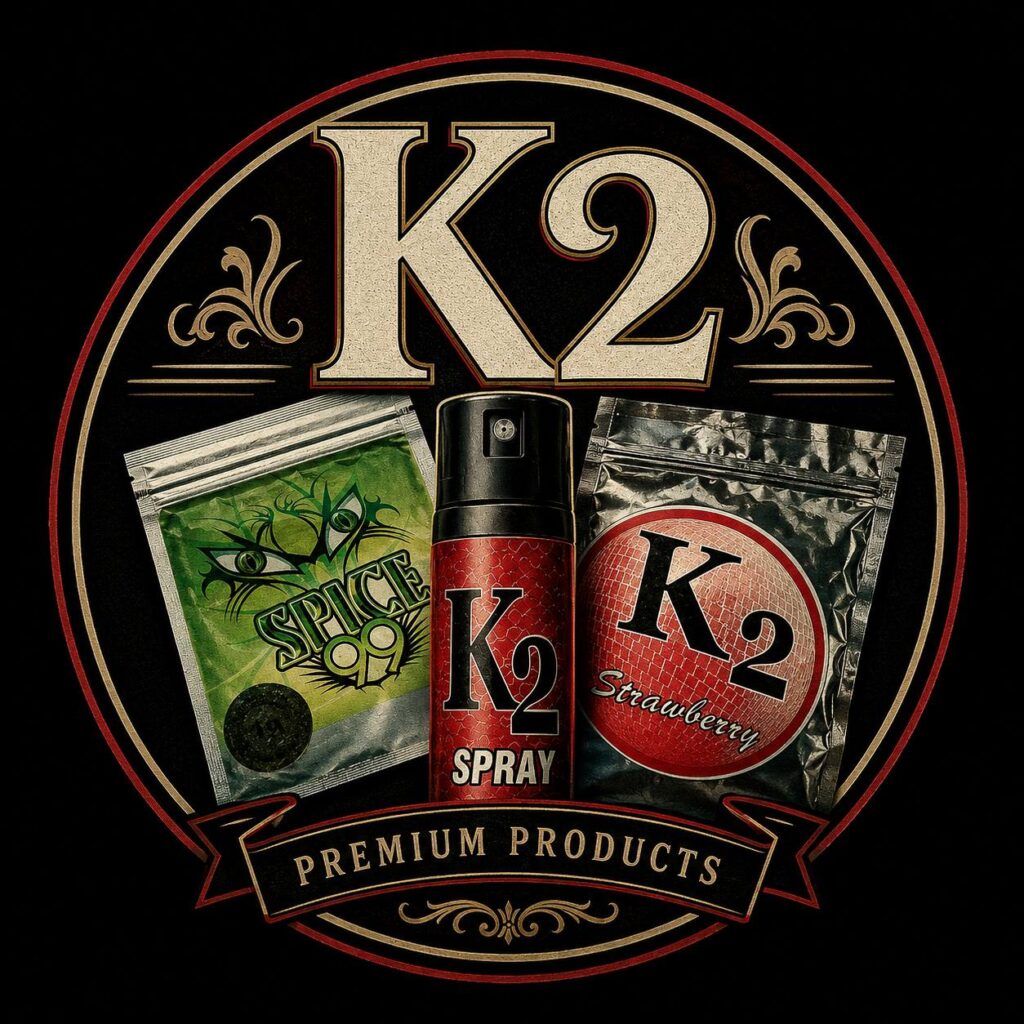
Spice and K2 are both commonly used names for synthetic cannabinoid products. However, neither term identifies one specific chemical, and products sold under these names may contain different substances.
Does Spice paper show up on a drug test?
That depends on the substance involved and the testing method. A standard THC test may not detect many synthetic cannabinoids, while specialized testing can target particular synthetic cannabinoid compounds or metabolites.
Spice paper is a term associated with paper or absorbent material containing, or suspected of containing, synthetic cannabinoids. The biggest concern is that the actual chemical composition may be unknown, making both the effects and potential health risks difficult to predict.
Synthetic cannabinoids are not simply another version of ordinary cannabis. Products associated with Spice can contain potent chemicals, and their contents may vary considerably.
