Uncategorized
k2 spice liquid spray near me
Jul
k2 spice liquid spray near me: What It Is, Health Risks, Legal Status, and How to Get Help
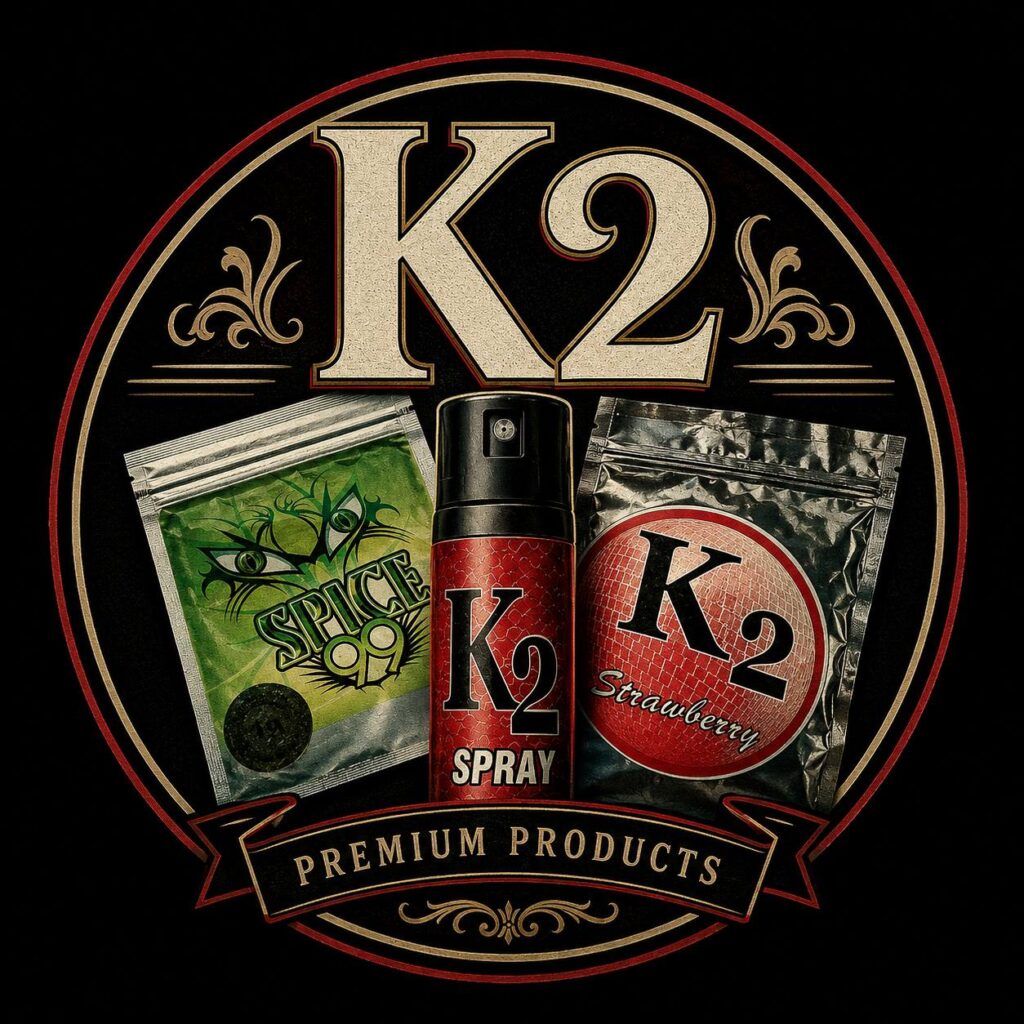
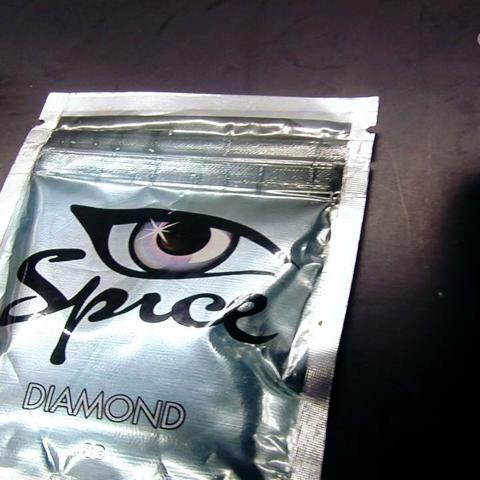
K2 Spice, often referred to as synthetic cannabis or synthetic cannabinoids, is a group of laboratory-made chemicals designed to interact with the same brain receptors affected by THC, the primary psychoactive compound in cannabis. Despite being marketed under various names and sometimes labeled as “herbal incense” or “not for human consumption,” these products can carry serious health risks.
What Is K2 Spice?
Synthetic cannabinoids are human-made chemicals that may be sprayed onto dried plant material or sold in other forms. Their chemical composition varies widely, and products sold under the same name may contain completely different substances from one batch to another.
Because of this inconsistency, it is difficult to predict how a product will affect an individual.
Why Is K2 Spice Dangerous?
Unlike regulated medications, synthetic cannabinoids are not manufactured under consistent quality standards. Different batches may contain different chemicals or concentrations, increasing the risk of unexpected reactions.
Potential health effects include:
- Rapid heart rate
- High blood pressure
- Anxiety and panic
- Confusion
- Hallucinations
- Aggressive behavior
- Seizures
- Vomiting
- Loss of consciousness
In severe cases, synthetic cannabinoids have been associated with life-threatening medical emergencies.
Why the Effects Are Unpredictable
One of the biggest concerns with K2 Spice is that products sold under the same brand name may not contain the same ingredients.
Factors that contribute to unpredictable effects include:
- Changing chemical formulas
- Unknown potency
- Inconsistent manufacturing
- Possible contamination
- Unknown additives
Because there is no reliable way for consumers to verify ingredients, the risks remain significant.
Legal Status in the USA, UK, and Europe
Many synthetic cannabinoids are controlled or prohibited in numerous countries.
- United States: Many synthetic cannabinoid compounds are federally controlled, and additional restrictions vary by state.
- United Kingdom: Numerous synthetic cannabinoids are illegal under UK drug laws.
- Europe: Regulations differ by country, but many European nations have banned or restricted these substances.
Because laws change over time and vary by jurisdiction, individuals should consult official government resources for current legal information.
Common Myths
Myth: Synthetic cannabinoids are safer than cannabis.
There is no evidence supporting this claim. In fact, synthetic cannabinoids are often associated with more severe and unpredictable health effects.
Myth: Products are tested for safety.
Many products sold under these names are not subject to standardized safety testing or quality control.
Myth: The same brand always contains the same ingredients.
Different batches may contain different chemicals, making effects difficult to predict.
Recognizing a Medical Emergency
Seek immediate medical attention if someone experiences:
- Difficulty breathing
- Chest pain
- Seizures
- Severe confusion
- Loss of consciousness
- Violent behavior
- Signs of stroke or heart attack
Prompt medical care can be critical.
Frequently Asked Questions
Is K2 Spice the same as cannabis?
No. Although synthetic cannabinoids interact with some of the same receptors, they are chemically different and may produce much stronger or more dangerous effects.
Can synthetic cannabinoids cause long-term health problems?
Some people experience ongoing mental or physical health complications after using synthetic cannabinoids, although outcomes vary.
Are all synthetic cannabinoids illegal?
Many are controlled or prohibited, but regulations differ depending on the country and the specific chemical involved.
Synthetic cannabinoids such as K2 Spice present significant health and safety concerns because of their unpredictable ingredients and potency. Anyone experiencing adverse effects should seek immediate medical attention. Staying informed through reliable public health information and understanding local laws can help reduce harm and support safer decision-making.
