Buy JWH-018 Online
Price range: $710.00 through $6,000.00
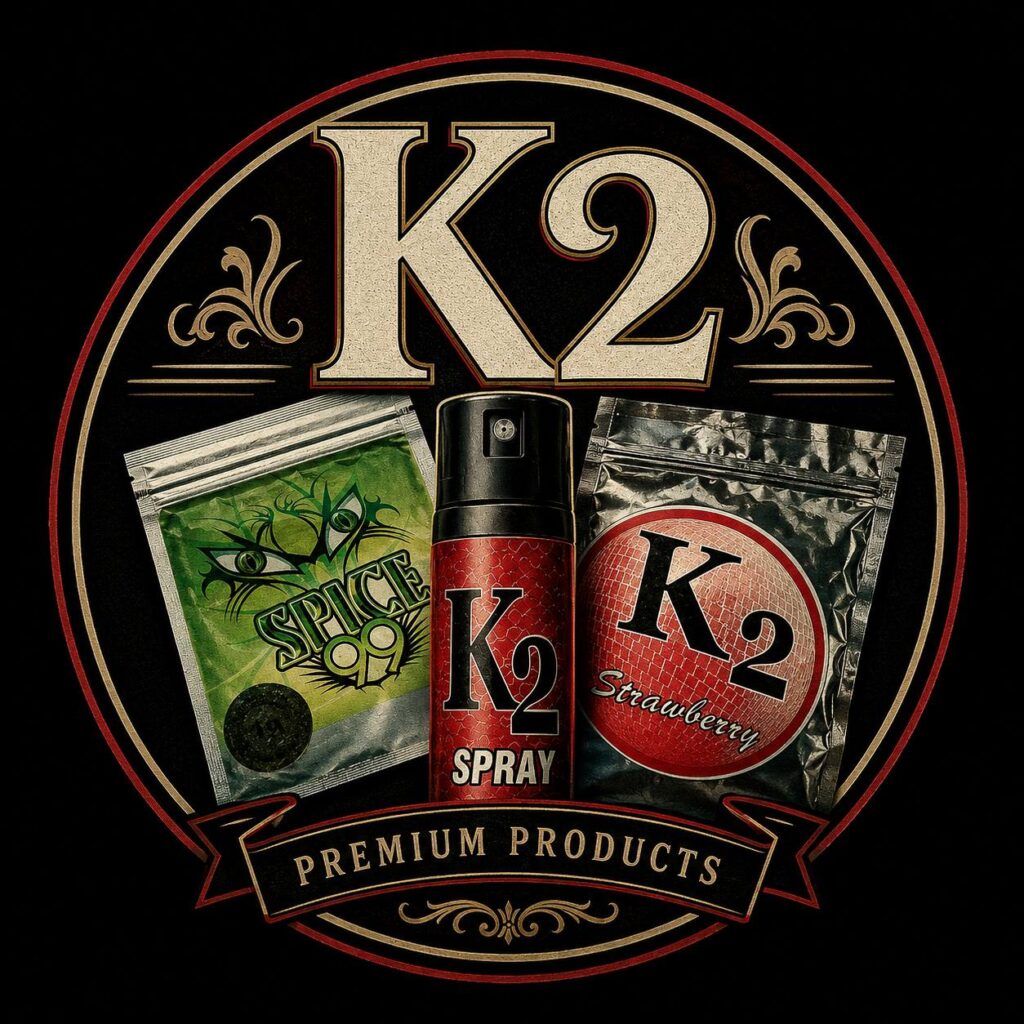
JWH-018 remains one of the most recognized synthetic cannabinoids due to its history, potency, and association with herbal incense products. While initially developed for scientific research, the compound later became linked to public health concerns and legal restrictions in many parts of the world.
JWH-018: Effects, Risks, Legal Status, and Important Safety Information
JWH-018 is a synthetic cannabinoid that gained attention for its strong effects and association with herbal incense and synthetic cannabis products. Originally developed for scientific research, JWH-018 later appeared in commercial products marketed under various names. Over time, concerns regarding safety, health risks, and legal restrictions have made JWH-018 a widely discussed substance in both medical and legal communities.
This article explores what JWH-018 is, how it works, its effects, potential dangers, legal considerations, and why awareness is important for public safety.
What Is JWH-018?
JWH-018 is a synthetic cannabinoid compound created in laboratory settings for research purposes. It belongs to a group of chemicals designed to interact with cannabinoid receptors in the body. These receptors are part of the endocannabinoid system, which plays a role in mood, memory, appetite, and other bodily functions.
The compound was initially developed for scientific studies involving cannabinoid receptors. However, it later became associated with synthetic cannabis products often marketed as herbal incense or aromatic blends.
How JWH-018 Works
JWH-018 interacts with CB1 and CB2 cannabinoid receptors in the body. These receptors are similar to those affected by THC, the primary psychoactive compound found in cannabis. However, synthetic cannabinoids like JWH-018 can be significantly more potent and unpredictable than natural cannabis.
Because of its strong receptor activity, JWH-018 may produce intense effects that vary greatly depending on dosage, individual sensitivity, and product composition.
Commonly Reported Effects of JWH-018
Users and researchers have reported a variety of effects associated with JWH-018 exposure. These effects may include:
- Altered perception
- Changes in mood
- Relaxation or sedation
- Increased heart rate
- Anxiety or agitation
- Dizziness
- Confusion
- Nausea
It is important to understand that synthetic cannabinoids can affect individuals differently and may carry greater risks than naturally occurring cannabis compounds.
Health Risks Associated With JWH-018
One of the main concerns surrounding JWH-018 is the potential for serious health effects. Reports from medical professionals and health organizations have linked synthetic cannabinoids to harmful reactions and unpredictable outcomes.
Potential Short-Term Risks
Short-term effects may include:
- Rapid heartbeat
- Elevated blood pressure
- Severe anxiety
- Panic attacks
- Hallucinations
- Vomiting
- Disorientation
Potential Long-Term Concerns
Although research is ongoing, repeated exposure to synthetic cannabinoids may raise concerns related to mental health, dependency, and neurological effects.
Unpredictable Product Composition
A major issue with products containing synthetic cannabinoids is inconsistency. Different batches may contain varying concentrations or unknown chemical additives, increasing the risk of adverse reactions.
Legal Status of JWH-018
The legal status of JWH-018 varies by country and region, but many governments have restricted or banned the substance because of safety concerns and potential health risks.
In several countries, JWH-018 is classified as a controlled substance, making its possession, distribution, or sale illegal. Laws continue to evolve as authorities respond to new synthetic cannabinoid compounds entering the market.
Before engaging with any product associated with synthetic cannabinoids, individuals should understand local laws and regulations.
Why Synthetic Cannabinoids Raise Safety Concerns
Synthetic cannabinoids differ from natural cannabis because they are often manufactured in laboratories using chemical processes that may not be standardized or regulated. This creates several concerns:
Increased Potency
Some synthetic cannabinoids are far more potent than THC, which may increase the likelihood of severe side effects.
Unknown Ingredients
Products marketed as herbal incense or synthetic blends may contain multiple chemicals not listed on packaging.
Limited Research
Compared to natural cannabis compounds, synthetic cannabinoids often lack long-term safety research and clinical testing.
Public Health Awareness and Education
Health experts continue to emphasize the importance of education regarding synthetic cannabinoids like JWH-018. Public awareness helps individuals understand potential risks and avoid unsafe products marketed with misleading information.
Educational resources, medical guidance, and accurate information play an important role in reducing harm and improving public safety.
Safer Alternatives for Relaxation and Wellness
Individuals seeking relaxation or stress relief may consider safer and legal alternatives, including:
- Aromatherapy products
- Traditional incense
- Meditation practices
- Herbal teas
- Yoga and mindfulness activities
- Wellness-focused relaxation techniques
Choosing regulated and well-understood products can help reduce unnecessary health risks.
JWH-018 remains one of the most recognized synthetic cannabinoids due to its history, potency, and association with herbal incense products. While initially developed for scientific research, the compound later became linked to public health concerns and legal restrictions in many parts of the world.
Understanding the effects, risks, and legal status of JWH-018 is important for making informed decisions and promoting safety. Synthetic cannabinoids can carry unpredictable health effects, particularly when products contain unknown ingredients or inconsistent chemical compositions.
As awareness continues to grow, education and responsible decision-making remain essential. Individuals seeking relaxation or wellness experiences are encouraged to prioritize safety, legal compliance, and products with established quality standards and transparent ingredient information.
| Quantity | 50 Grams, 100 Grams, 200 Grams, 500 Grams, 1000 Grams |
|---|
Be the first to review “Buy JWH-018 Online”
Related products



K2 Herbal Incense


K2 Herbal Incense

Reviews
There are no reviews yet.