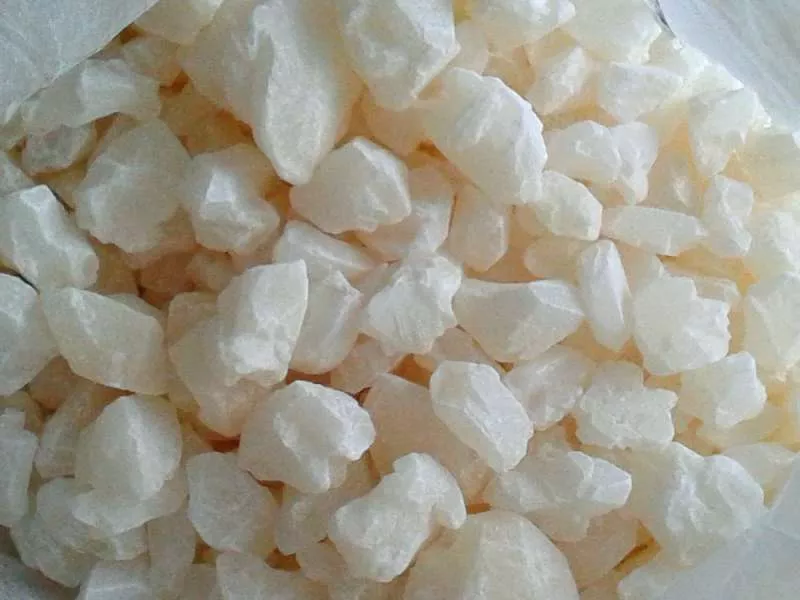
Methylone (Bk-MDMA)
Price range: $30.00 through $1,350.00
Synthetic Cathinones such as Methylone (Bk-MDMA) continue to be associated with significant public health and legal concerns across the USA, UK, and Europe. While originally discussed as a synthetic alternative to MDMA, Methylone carries serious risks including cardiovascular complications, mental health effects, and potential dependence.
Methylone (Bk-MDMA): Effects, Risks, Legal Status, and Important Safety Information
Synthetic Cathinones such as Methylone (Bk-MDMA) have gained attention in the USA, UK, and Europe due to their psychoactive effects, legal regulation, and public health concerns. Methylone, chemically known as beta-keto-MDMA or Bk-MDMA, is a synthetic stimulant and empathogen structurally related to MDMA and cathinone compounds.
Although Methylone was once marketed online and sold as a “research chemical,” growing evidence of health risks and misuse has led to increased regulation in many countries.
What Is Methylone (Bk-MDMA)?
Methylone, also called Bk-MDMA, is a synthetic cathinone that belongs to a class of stimulant substances chemically related to amphetamines and MDMA. The “Bk” prefix stands for beta-keto, referring to a structural modification that differentiates it from MDMA.
Synthetic cathinones are often referred to as “bath salts” in media reports, although they can appear in powders, capsules, or tablets sold under different names.
Methylone affects neurotransmitters in the brain, particularly:
- Dopamine
- Serotonin
- Norepinephrine
These chemical changes may produce stimulant and mood-altering effects.
How Methylone Affects the Brain and Body
Methylone increases neurotransmitter activity in the central nervous system, which may lead to heightened stimulation and emotional effects.
Reported effects may include:
- Increased energy
- Elevated mood
- Increased sociability
- Enhanced sensory perception
- Alertness
However, these effects can also be accompanied by dangerous physical and psychological reactions.
Short-Term Effects of Methylone
The effects of Methylone can vary based on dosage, purity, individual health, and other factors.
Common short-term effects may include:
- Rapid heart rate
- Increased blood pressure
- Sweating
- Anxiety
- Jaw clenching
- Insomnia
- Agitation
- Nausea
In some cases, severe reactions such as panic attacks, paranoia, or hallucinations have been reported.
Risks and Dangers of Methylone Use
Cardiovascular Stress
Methylone can increase heart rate and blood pressure, potentially placing stress on the cardiovascular system.
Mental Health Effects
Some individuals may experience:
- Anxiety
- Depression
- Panic reactions
- Psychosis
- Mood instability
Overheating and Dehydration
Like other stimulant substances, Methylone may impair the body’s ability to regulate temperature, increasing the risk of overheating.
Unknown Purity and Contamination
Illegally manufactured substances may contain contaminants or entirely different chemicals, increasing health risks significantly.
Long-Term Effects of Synthetic Cathinones
Research into long-term effects is ongoing, but repeated use of synthetic cathinones may contribute to:
- Sleep disturbances
- Memory problems
- Mood disorders
- Cognitive impairment
- Emotional instability
Chronic stimulant use can also affect relationships, employment, and overall quality of life.
Is Methylone Addictive?
Methylone may have the potential for psychological dependence due to its stimulant and mood-enhancing effects.
Signs of problematic use may include:
- Cravings
- Repeated use despite consequences
- Escalating dosage patterns
- Difficulty stopping use
- Neglect of responsibilities
Early intervention can improve treatment outcomes.
Legal Status of Methylone in the USA, UK, and Europe
United States
Methylone is classified as a Schedule I controlled substance under federal law in the United States, meaning it is considered illegal for non-approved use.
United Kingdom
Under the Misuse of Drugs Act 1971 and subsequent regulations, Methylone is classified as a controlled substance.
Europe
Many European countries have banned or tightly regulated Methylone and related synthetic cathinones under drug control laws.
Legal penalties for possession, distribution, or manufacturing can be severe depending on local regulations.
Signs of Methylone Misuse
Possible warning signs may include:
- Extreme mood changes
- Sleep problems
- Risk-taking behavior
- Anxiety or paranoia
- Social withdrawal
- Rapid weight loss
- Declining work or academic performance
Recognizing these signs early may help individuals access support sooner.
Treatment Options for Substance Misuse
Individuals experiencing problems related to stimulant or synthetic cathinone use may benefit from professional treatment services.
Behavioral Therapy
Cognitive behavioral therapy (CBT) and counseling can help individuals address substance use patterns and triggers.
Medical Support
Healthcare professionals can help manage withdrawal symptoms, mental health concerns, and physical complications.
Recovery Programs
Support groups and rehabilitation programs may provide long-term assistance and relapse prevention strategies.
Why Public Awareness Matters
Public education is essential because synthetic cathinones are often marketed misleadingly online or sold under unfamiliar names.
Awareness efforts can help:
- Reduce accidental harm
- Improve understanding of risks
- Support early intervention
- Promote safer decision-making
- Encourage access to treatment resources
Understanding the dangers of synthetic stimulants is an important public health priority.
Differences Between Methylone and MDMA
Although Methylone is structurally related to MDMA, there are important differences in potency, duration, and pharmacological profile.
Structural Differences
The beta-keto modification changes how the compound interacts with the body and brain.
Variable Effects
Effects and risks may differ between substances, especially because illegally produced materials may vary in purity.
Legal Classification
Both substances are heavily regulated in many jurisdictions.
Synthetic Cathinones such as Methylone (Bk-MDMA) continue to be associated with significant public health and legal concerns across the USA, UK, and Europe. While originally discussed as a synthetic alternative to MDMA, Methylone carries serious risks including cardiovascular complications, mental health effects, and potential dependence.
Education, prevention, and access to professional healthcare support remain essential for reducing the harms associated with synthetic stimulant use. Individuals experiencing substance-related concerns should seek assistance from qualified healthcare providers or addiction specialists.
| Quantity | 10 GRAMS, 50 GRAMS, 100 GRAMS, 500 GRAMS |
|---|
Be the first to review “Methylone (Bk-MDMA)”
Related products
K2 Chem / K2 powder
K2 Chem / K2 powder
K2 Chem / K2 powder
K2 Chem / K2 powder

K2 Chem / K2 powder
K2 Chem / K2 powder
K2 Chem / K2 powder
Reviews
There are no reviews yet.