
Uncategorized
K2 Spice Test
Jul
K2 Spice Test: What You Need to Know About Synthetic Cannabinoid Testing
If you’ve searched for “K2 Spice test,“ you’re likely looking for information about how synthetic cannabinoids are detected, why testing can be challenging, and what makes these substances different from natural cannabis. Understanding the basics of K2 Spice testing can help you make informed decisions and better understand the limitations of current drug testing methods.
This guide explains what a K2 Spice test is, how synthetic cannabinoids differ from marijuana, why detecting them is more complicated, and answers the most frequently asked questions about synthetic cannabinoid testing.
What Is K2 Spice?
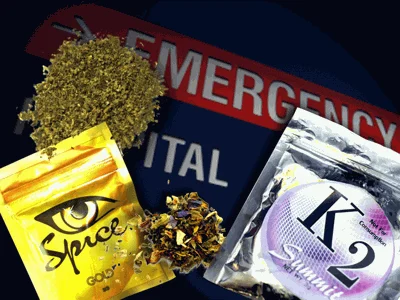
K2, often called Spice, refers to a group of laboratory-made chemicals known as synthetic cannabinoids. These chemicals are designed to interact with cannabinoid receptors in the brain, but they are chemically different from THC, the primary psychoactive compound found in cannabis.
Although K2 products have sometimes been marketed as herbal incense or potpourri, health authorities have warned that they may contain unpredictable chemical mixtures that can cause serious health effects.
What Is a K2 Spice Test?
A K2 Spice test refers to laboratory testing designed to identify certain synthetic cannabinoids or their metabolites in biological samples such as urine or blood. Unlike standard drug tests that commonly screen for substances such as THC, cocaine, opioids, or amphetamines, specialized testing for synthetic cannabinoids is more complex because there are many different chemical variants.
Testing capabilities vary depending on the laboratory, the specific substances included in the test panel, and advances in analytical technology.
Why Is Testing for K2 More Difficult?
Synthetic cannabinoids present unique challenges for laboratories because:
- Hundreds of different synthetic cannabinoid compounds have been identified.
- Manufacturers frequently modify chemical structures.
- New compounds appear faster than many testing panels can be updated.
- Different products sold under the same name may contain different ingredients.
Because of these factors, no single test can detect every possible synthetic cannabinoid.
How Does Laboratory Testing Work?
Modern laboratories typically use advanced analytical techniques to identify specific chemicals or their metabolites. These methods are designed to provide accurate identification of compounds included in the laboratory’s testing panel.
However, whether a particular synthetic cannabinoid is detectable depends on the substances the laboratory is equipped to analyze and whether the compound has been characterized.
Are Standard Drug Tests the Same as K2 Spice Tests?
Not necessarily.
Many routine drug screening panels are designed to detect commonly tested substances, such as THC from cannabis, but they may not include testing for synthetic cannabinoids. Specialized testing is generally required to identify many K2-related compounds.
Testing practices can differ depending on the purpose of the test and the laboratory performing the analysis.
Health Risks Associated With Synthetic Cannabinoids
Health organizations warn that synthetic cannabinoids can produce severe and unpredictable effects. Reported adverse reactions include:
- Rapid heart rate
- Elevated blood pressure
- Severe anxiety
- Confusion
- Hallucinations
- Agitation
- Vomiting
- Seizures
- Loss of consciousness
Because products may contain unknown or changing chemical ingredients, the effects can vary widely even between products sold under the same name.
Why Product Labels May Be Misleading
Some products marketed as “herbal incense” or similar names may contain synthetic cannabinoids, while others may contain different substances altogether. Product labels do not always accurately reflect their contents.
This inconsistency is one reason why health experts advise caution when evaluating claims about these products.
Frequently Asked Questions
What does a K2 Spice test detect?
A K2 Spice test is designed to identify certain synthetic cannabinoids or their metabolites that are included in the laboratory’s testing panel. It does not necessarily detect every synthetic cannabinoid that exists.
Can every synthetic cannabinoid be detected?
No. Because new synthetic cannabinoid compounds continue to emerge, laboratories may not be able to test for every possible variant.
Is K2 the same as marijuana?
No. While both affect cannabinoid receptors, K2 consists of synthetic chemicals that are different from the naturally occurring cannabinoids found in cannabis.
Why are synthetic cannabinoids considered risky?
One of the primary concerns is that their chemical composition can vary widely, making their effects difficult to predict. Health authorities have linked synthetic cannabinoids to serious medical emergencies.
Are K2 products regulated?
Regulations vary by country and region. Many synthetic cannabinoids have been prohibited because of their health risks, but manufacturers have historically altered chemical structures to create new variants.
How to Find Reliable Information
When researching K2 Spice testing, rely on credible sources such as:
- National public health agencies
- Poison control organizations
- Licensed healthcare professionals
- Accredited medical laboratories
- Government health departments
These organizations regularly publish evidence-based information about synthetic cannabinoids, testing limitations, and health risks.
Key Takeaways
Searching for “K2 Spice test” often reflects questions about how synthetic cannabinoids are identified and why testing is more complicated than testing for many other substances. Unlike standard drug screening panels, specialized laboratory analysis may be required to identify certain synthetic cannabinoid compounds, and no single test can detect every possible variant.
Because synthetic cannabinoids are chemically diverse and continually evolving, health experts emphasize that these products can carry significant and unpredictable risks. If you have questions about testing in a medical, workplace, or legal context, consult the relevant healthcare provider, testing laboratory, or responsible authority for information specific to your situation.
Conclusion
A K2 Spice test is a specialized form of laboratory analysis intended to identify certain synthetic cannabinoids. Testing is more complex than routine drug screening due to the constantly changing nature of these chemicals. Understanding the limitations of testing, the differences between synthetic cannabinoids and cannabis, and the associated health risks can help readers make informed decisions based on accurate, evidence-based information.
