ADB-Butinaca Powder


Price range: $120.00 through $2,500.00
ADB-Butinaca Powder is a synthetic cannabinoid research chemical studied in forensic laboratories and analytical research environments for its chemical and receptor-related properties. As part of the evolving synthetic cannabinoid class, it remains relevant in scientific investigations involving structure-activity relationships, analytical chemistry, and toxicology screening.
ADB-Butinaca Powder: Research Overview, Chemical Properties, and Laboratory Information
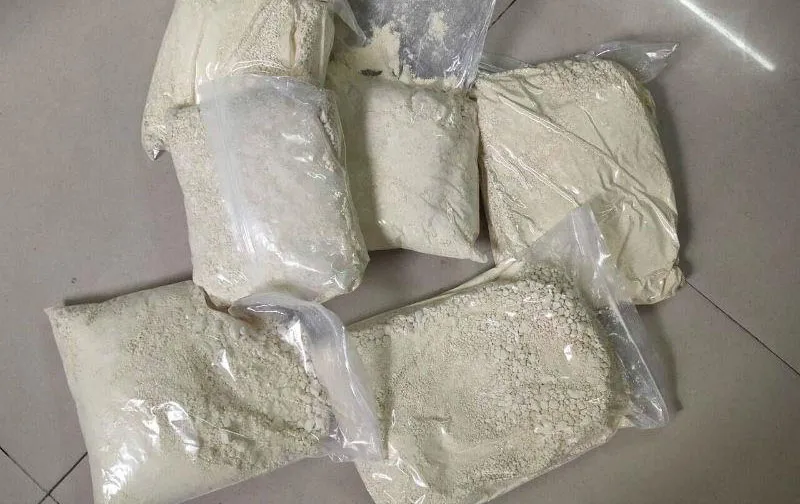
ADB-Butinaca Powder is a synthetic cannabinoid research chemical that has gained attention in forensic science and analytical chemistry due to its unique molecular structure and potency profile. As part of the synthetic cannabinoid class, ADB-Butinaca is studied in controlled laboratory settings to better understand cannabinoid receptor interactions, chemical behavior, and emerging trends in synthetic compound analysis.
Primarily intended for scientific and forensic research, ADB-Butinaca is not approved for medical or human consumption. Researchers and laboratories analyze compounds like ADB-Butinaca to improve analytical detection methods, toxicology screening, and structure-activity relationship studies.
What Is ADB-Butinaca Powder?
ADB-Butinaca is a synthetic cannabinoid belonging to a class of compounds designed to interact with cannabinoid receptors in laboratory research environments. It is structurally distinct from naturally occurring cannabinoids found in cannabis and is considered part of the newer generation of synthetic cannabinoid compounds.
The compound is commonly encountered in powdered form for analytical and scientific use. Researchers study it to understand how modifications in molecular structure influence receptor binding and chemical activity.
In professional research settings, ADB-Butinaca is generally categorized as:
- A synthetic cannabinoid research chemical
- A forensic reference compound
- A laboratory-use-only substance
Most suppliers label the compound as “not for human consumption.”
Chemical and Physical Properties of ADB-Butinaca
ADB-Butinaca Powder is typically analyzed in forensic and laboratory environments where researchers investigate its chemical composition and behavior.
Key Characteristics
- Chemical class: Synthetic cannabinoid
- Physical form: Powder or crystalline material
- Research category: Cannabinoid receptor study
- Primary application: Analytical and forensic research
The compound’s molecular design makes it relevant in studies involving synthetic cannabinoid classification and receptor interaction analysis.
Research Applications of ADB-Butinaca
ADB-Butinaca is primarily used in controlled scientific and forensic research settings. Researchers investigate the compound for several analytical and pharmacological purposes.
1. Cannabinoid Receptor Research
Scientists study synthetic cannabinoids like ADB-Butinaca to understand how they interact with CB1 and CB2 cannabinoid receptors in laboratory models.
2. Forensic Toxicology
Forensic laboratories analyze ADB-Butinaca to improve toxicology screening methods and identify emerging synthetic cannabinoid compounds in seized materials.
3. Structure-Activity Relationship Studies
Researchers compare molecular structures among synthetic cannabinoids to determine how specific chemical modifications affect activity and receptor affinity.
4. Analytical Chemistry
ADB-Butinaca may be used as a reference material in laboratory techniques such as:
- Gas chromatography (GC)
- Liquid chromatography (LC)
- Mass spectrometry (MS)
These methods assist in accurate identification and classification of synthetic compounds.
Why Synthetic Cannabinoids Are Studied
Synthetic cannabinoids remain a significant area of scientific interest because of their rapidly evolving chemical structures and analytical complexity.
Research involving compounds like ADB-Butinaca helps scientists:
- Improve forensic detection capabilities
- Understand receptor interaction mechanisms
- Expand medicinal chemistry knowledge
- Develop updated analytical reference standards
- Monitor emerging synthetic compounds
These studies contribute to advancements in forensic science and laboratory analysis.
Legal Status of ADB-Butinaca
The legal classification of ADB-Butinaca varies across countries and jurisdictions. In many regions, synthetic cannabinoids are heavily regulated or controlled under analogue legislation.
Depending on local laws, ADB-Butinaca may be:
- Classified as a controlled substance
- Restricted for research purposes only
- Covered under synthetic cannabinoid legislation
Because regulations frequently change, laboratories and researchers must verify current laws before obtaining or handling such compounds.
Laboratory Safety and Handling
ADB-Butinaca Powder should only be handled by qualified professionals in appropriate laboratory environments.
Recommended Safety Precautions
- Wear protective gloves and eyewear
- Use proper ventilation systems
- Avoid direct skin contact or inhalation
- Store in clearly labeled containers
- Follow institutional chemical safety procedures
Since synthetic cannabinoids may have limited toxicological data, strict caution is essential during handling and analysis.
Differences Between ADB-Butinaca and Natural Cannabinoids
Although synthetic cannabinoids interact with cannabinoid receptors, they differ significantly from naturally occurring cannabinoids in both structure and research classification.
Structural Differences
ADB-Butinaca is fully synthetic and chemically engineered, unlike naturally derived cannabinoids from cannabis plants.
Research Importance
Its synthetic structure allows researchers to study how molecular modifications influence receptor activity and analytical detection.
Forensic Relevance
Synthetic cannabinoids are frequently monitored due to their appearance in emerging chemical trends and forensic investigations.
Responsible Research Practices
Legitimate scientific work involving ADB-Butinaca follows strict laboratory standards and ethical guidelines.
Responsible research practices include:
- Institutional oversight and approval
- Proper inventory management
- Controlled storage and access
- Safe disposal procedures
- Compliance with local and international regulations
These measures help ensure laboratory safety and scientific integrity.
Importance of Accurate Labeling
ADB-Butinaca products are commonly labeled “for research purposes only” to clarify their intended laboratory use.
Proper labeling supports:
- Regulatory compliance
- Scientific documentation
- Safe chemical handling
- Prevention of misuse
Accurate labeling is especially important for synthetic cannabinoids because of their evolving legal status and limited safety data.
ADB-Butinaca Powder is a synthetic cannabinoid research chemical studied in forensic laboratories and analytical research environments for its chemical and receptor-related properties. As part of the evolving synthetic cannabinoid class, it remains relevant in scientific investigations involving structure-activity relationships, analytical chemistry, and toxicology screening.
Due to its varying legal status and limited safety data, ADB-Butinaca is intended exclusively for qualified research purposes and not for human consumption. Proper laboratory handling procedures, legal compliance, and professional safety standards are essential when working with compounds of this nature.
For researchers and forensic professionals, ADB-Butinaca continues to provide valuable insight into modern synthetic cannabinoid chemistry and analytical science.
| Quantity | 5 GRAMS, 10 GRAMS, 25 GRAMS, 50 GRAMS, 100 GRAMS, 200 GRAMS |
|---|
Be the first to review “ADB-Butinaca Powder”
Related products


K2 Chem / K2 powder
K2 Chem / K2 powder

K2 Chem / K2 powder

K2 Chem / K2 powder
Reviews
There are no reviews yet.