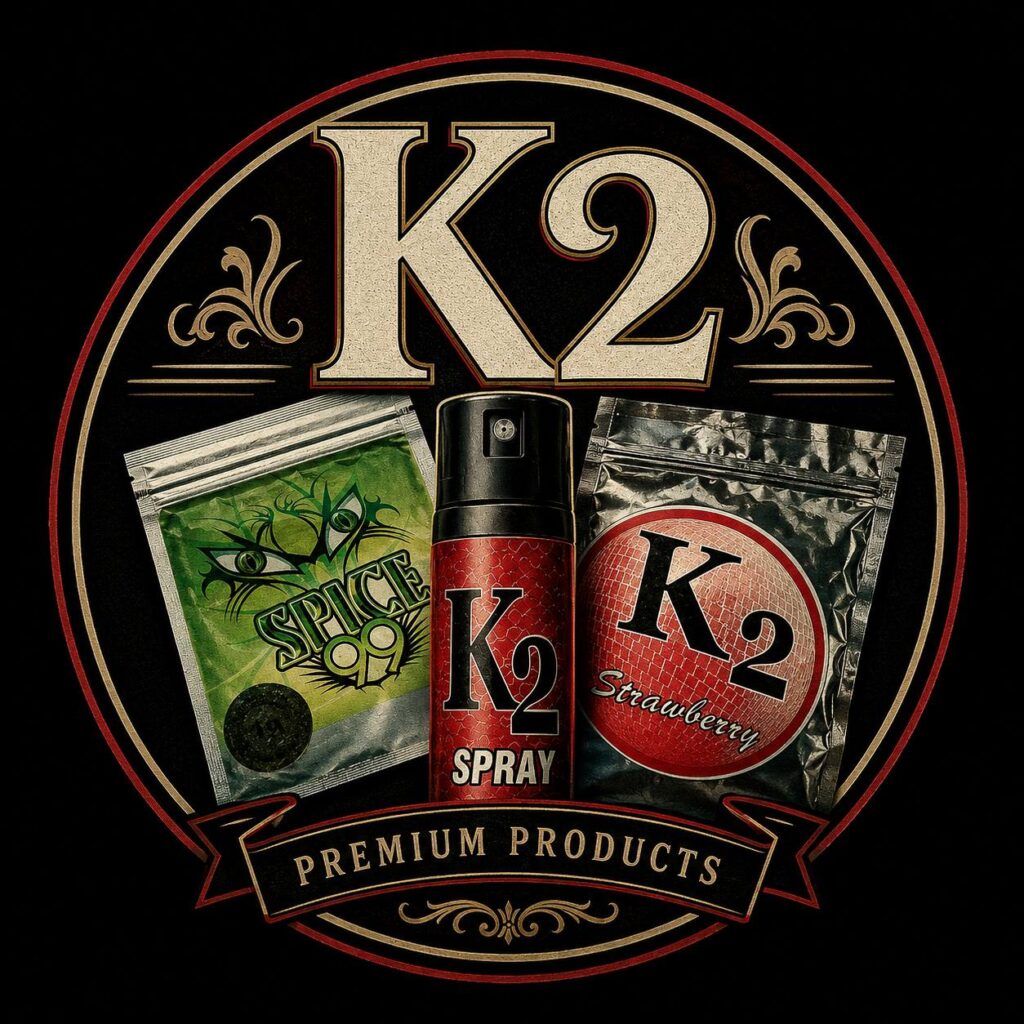
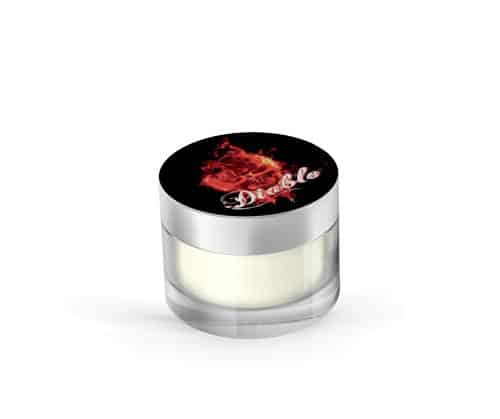
Diablo k2 Powder

$150.00
Synthetic Cannabinoids associated with products like Diablo K2 Powder continue to present serious health and legal concerns in the USA, UK, and Europe. Due to unpredictable chemical content, severe side effects, and evolving legal restrictions, these substances remain a significant public health challenge.
Diablo K2 Powder: Risks, Effects, Legal Status, and Public Health Concerns
Synthetic Cannabinoids marketed under names such as Diablo K2 Powder have raised major health and safety concerns in the USA, UK, and Europe. Often sold as herbal incense, potpourri, or aromatic blends, these products may contain synthetic chemicals designed to mimic some effects of cannabis while producing far more unpredictable and dangerous reactions.
What Is Diablo K2 Powder?
Diablo K2 Powder is commonly associated with synthetic cannabinoid products. Synthetic cannabinoids are laboratory-created chemicals that interact with cannabinoid receptors in the brain. Although these products are sometimes marketed as alternatives to natural cannabis, they differ greatly in chemical structure, potency, and safety profile.
These substances are often sold in powdered or herbal forms and may be packaged under colorful brand names. However, the ingredients may vary widely between batches, making their effects highly unpredictable.
Many products are labeled “not for human consumption,” despite reports of recreational misuse.
How Synthetic Cannabinoids Affect the Brain
Synthetic cannabinoids bind to CB1 and CB2 receptors in the nervous system, similar to naturally occurring cannabinoids. However, many synthetic compounds bind much more strongly than THC, the primary psychoactive compound in cannabis.
Possible effects may include:
- Altered mood
- Euphoria
- Anxiety
- Hallucinations
- Confusion
- Increased heart rate
- Agitation
Because the chemical composition often changes, reactions may differ dramatically between individuals.
Why K2 Products Are Dangerous
Unpredictable Chemical Composition
One of the biggest risks associated with K2 products is inconsistency. Different packages may contain different synthetic chemicals, contaminants, or dangerous additives.
Higher Potency
Some synthetic cannabinoids are significantly more potent than natural THC, increasing the risk of severe physical and psychological reactions.
Lack of Regulation
Many synthetic cannabinoid products are produced without standardized quality control or ingredient testing.
Short-Term Risks of Diablo K2 Powder
Short-term use of synthetic cannabinoids has been associated with numerous emergency medical incidents.
Possible short-term risks include:
- Rapid heartbeat
- High blood pressure
- Panic attacks
- Severe anxiety
- Aggressive behavior
- Nausea and vomiting
- Seizures
- Hallucinations
In severe cases, hospitalization may be required.
Long-Term Effects of Synthetic Cannabinoids
Research into long-term effects is ongoing, but repeated exposure may contribute to lasting health concerns.
Mental Health Risks
Potential psychological effects may include:
- Depression
- Anxiety disorders
- Memory impairment
- Mood instability
- Psychosis
Physical Health Concerns
Long-term use may also affect:
- Cardiovascular health
- Kidney function
- Sleep patterns
- Neurological function
Because formulations continue to evolve, long-term safety remains poorly understood.
Signs of Synthetic Cannabinoid Misuse
Warning signs may include:
- Sudden mood changes
- Confusion or paranoia
- Unusual aggression
- Social withdrawal
- Sleep disturbances
- Risky behavior
- Declining work or school performance
Early recognition may help individuals seek professional support before complications worsen.
Legal Status of K2 Products
The legal status of synthetic cannabinoids varies across regions, but many countries have introduced strict regulations due to safety concerns.
United States
Many synthetic cannabinoids are classified as controlled substances under federal and state laws.
United Kingdom
Under the Psychoactive Substances Act 2016, many synthetic cannabinoid products are illegal to produce, supply, or possess for distribution.
Europe
European countries continue expanding regulations targeting synthetic cannabinoids and related psychoactive substances.
Legal consequences for possession or distribution can be severe depending on local laws.
Why Synthetic Cannabinoids Are Difficult to Regulate
Manufacturers sometimes modify chemical formulas slightly to create new compounds not yet specifically banned by law. This creates challenges for:
- Public health agencies
- Forensic laboratories
- Healthcare professionals
- Law enforcement
Continuous scientific monitoring is necessary to identify emerging compounds.
Treatment and Support Options
Individuals experiencing problems related to synthetic cannabinoid use may benefit from medical and psychological support.
Medical Care
Emergency medical attention may be necessary for severe symptoms such as psychosis, seizures, or cardiovascular complications.
Behavioral Therapy
Counseling and therapy may help individuals address substance use behaviors and mental health concerns.
Recovery Programs
Support groups and rehabilitation services may assist individuals working toward long-term recovery.
Importance of Public Awareness
Public education is essential because many consumers may incorrectly assume herbal incense or K2 products are safe or natural.
Awareness efforts can help:
- Reduce accidental harm
- Promote informed decision-making
- Encourage early intervention
- Improve access to treatment resources
- Support public health initiatives
Understanding the risks associated with synthetic cannabinoids remains a critical public health priority.
Differences Between Natural Cannabis and Synthetic Cannabinoids
Although synthetic cannabinoids may target similar receptors, they differ significantly from natural cannabis.
Chemical Structure
Synthetic cannabinoids are entirely laboratory-created compounds.
Potency
Some synthetic compounds may be far more potent than natural THC.
Safety Profile
Natural cannabis and synthetic cannabinoids have very different risk profiles, especially regarding unpredictability and toxicity.
Synthetic Cannabinoids associated with products like Diablo K2 Powder continue to present serious health and legal concerns in the USA, UK, and Europe. Due to unpredictable chemical content, severe side effects, and evolving legal restrictions, these substances remain a significant public health challenge.
Be the first to review “Diablo k2 Powder”
Related products
K2 Chem / K2 powder
K2 Chem / K2 powder
K2 Chem / K2 powder
K2 Chem / K2 powder
K2 Chem / K2 powder
K2 Chem / K2 powder

K2 Chem / K2 powder
Reviews
There are no reviews yet.