
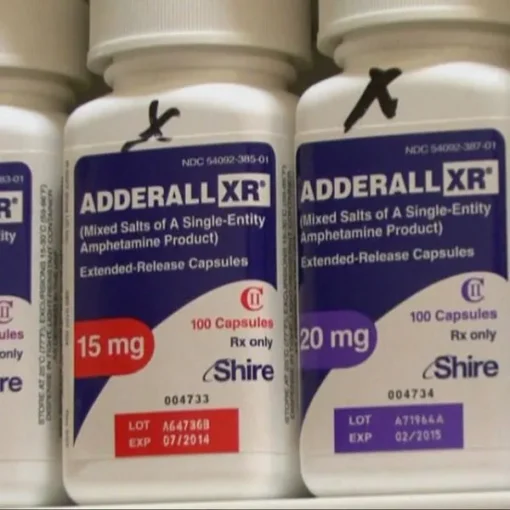
Buy Adderall Online

Price range: $40.00 through $70.00
Adderall remains one of the most commonly prescribed medications for managing ADHD and narcolepsy. By improving focus, attention, and daily functioning, it can significantly benefit individuals living with these conditions when used appropriately under medical supervision.
Adderall: Uses, Benefits, Side Effects, and Important Safety Information
Adderall is one of the most widely recognized prescription medications used to treat attention-related conditions in both children and adults. Known for its effectiveness in improving focus, concentration, and impulse control, Adderall has become an important treatment option for individuals diagnosed with attention-deficit/hyperactivity disorder (ADHD) and certain sleep disorders.
This article provides a complete and SEO-optimized overview of Adderall, including how it works, medical uses, benefits, possible side effects, dosage considerations, and important safety information.
What Is Adderall?
Adderall is a prescription stimulant medication that contains a combination of amphetamine and dextroamphetamine. These stimulant compounds affect chemicals in the brain and nerves that contribute to hyperactivity and impulse control.
Doctors commonly prescribe Adderall to help manage symptoms associated with ADHD. It may also be prescribed in some cases for narcolepsy, a condition that causes excessive daytime sleepiness.
Adderall is available in two primary forms:
- Immediate-release (IR)
- Extended-release (XR)
The extended-release version is designed to provide longer-lasting symptom control throughout the day.
How Adderall Works
Adderall works by increasing the activity of certain neurotransmitters in the brain, particularly dopamine and norepinephrine. These chemicals play important roles in attention, motivation, focus, and alertness.
By improving neurotransmitter activity, Adderall may help individuals with ADHD:
- Maintain focus
- Reduce impulsive behavior
- Improve concentration
- Increase task completion
- Enhance organization and productivity
The medication should only be used under the supervision of a licensed healthcare professional.
Medical Uses of Adderall
Treatment of ADHD
The most common use of Adderall is for the treatment of ADHD in children, teenagers, and adults. ADHD symptoms can include:
- Difficulty concentrating
- Hyperactivity
- Impulsiveness
- Disorganization
- Trouble completing tasks
Adderall helps many patients manage these symptoms more effectively, improving performance at school, work, and daily life activities.
Treatment of Narcolepsy
Adderall may also be prescribed for narcolepsy, a neurological disorder that affects the brain’s ability to regulate sleep-wake cycles. The medication can help reduce excessive daytime drowsiness and improve alertness.
Benefits of Adderall
Improved Focus and Attention
One of the primary benefits of Adderall is its ability to help patients maintain attention for longer periods.
Better Productivity
Many patients report increased productivity and improved ability to complete tasks after beginning treatment under medical supervision.
Enhanced Daily Functioning
By reducing ADHD-related symptoms, Adderall may improve relationships, academic performance, and workplace efficiency.
Long-Lasting Symptom Management
Extended-release formulations provide symptom control throughout much of the day, reducing the need for multiple doses.
Possible Side Effects of Adderall
Like all prescription medications, Adderall may cause side effects in some individuals. Common side effects can include:
- Decreased appetite
- Dry mouth
- Insomnia
- Increased heart rate
- Nervousness
- Headache
- Stomach discomfort
More serious side effects may occur in rare cases and should be discussed immediately with a healthcare provider.
Because Adderall is a stimulant medication, it carries a risk of misuse, dependence, and abuse when not used as prescribed.
Important Safety Information
Adderall should only be taken under the guidance of a licensed healthcare professional. Before starting treatment, patients should inform their doctor about:
- Heart conditions
- High blood pressure
- Mental health history
- Anxiety disorders
- Substance use history
- Other medications being taken
Regular monitoring may be necessary to ensure safe and effective use.
Avoid Self-Medication
Using Adderall without a prescription can be dangerous and illegal in many regions. Non-medical use increases the risk of serious health complications.
Adderall Dosage and Administration
Dosage varies depending on:
- Age
- Medical condition
- Severity of symptoms
- Response to treatment
- Medication formulation
Doctors usually begin with a lower dose and gradually adjust it if necessary. Patients should follow all prescription instructions carefully and never change dosage without medical approval.
Adderall XR vs. Immediate Release
Immediate-Release Adderall
- Works quickly
- Usually taken multiple times daily
- Shorter duration of effect
Adderall XR
- Extended-release formula
- Designed for all-day symptom control
- Often taken once daily
The choice between formulations depends on individual treatment needs and physician recommendations.
Who Should Not Use Adderall?
Adderall may not be suitable for individuals with certain health conditions, including:
- Serious heart disease
- Uncontrolled high blood pressure
- Advanced anxiety disorders
- Glaucoma
- History of stimulant misuse
A medical evaluation is necessary before starting treatment.
Tips for Safe Adderall Use
To maximize safety and effectiveness:
- Take medication exactly as prescribed
- Avoid sharing medication with others
- Store securely away from children
- Attend regular medical checkups
- Report unusual side effects promptly
Responsible use is essential for long-term treatment success.
Adderall remains one of the most commonly prescribed medications for managing ADHD and narcolepsy. By improving focus, attention, and daily functioning, it can significantly benefit individuals living with these conditions when used appropriately under medical supervision.
However, because Adderall is a powerful stimulant medication, proper diagnosis, prescription guidance, and ongoing monitoring are extremely important. Patients should always follow healthcare provider recommendations and avoid non-medical use.
For individuals struggling with attention difficulties or excessive daytime sleepiness, consulting a qualified healthcare professional can help determine whether Adderall or another treatment option may be appropriate.
| Quantity | XR 10gm, XR 20gm, 10gm, 20gm |
|---|
Be the first to review “Buy Adderall Online”
Related products

K2 Chem / K2 powder

K2 Chem / K2 powder

K2 Chem / K2 powder

K2 Chem / K2 powder


K2 Chem / K2 powder


K2 Chem / K2 powder

K2 Chem / K2 powder
Reviews
There are no reviews yet.