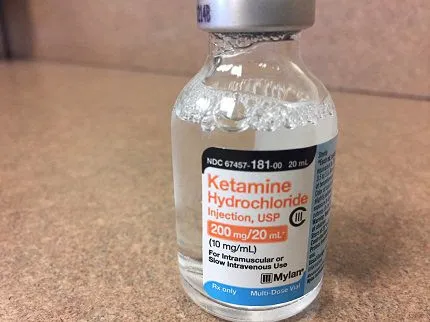


Ketamine HCL: Uses, Benefits, Medical Applications, and Important Safety Information
Ketamine HCL (Hydrochloride) is a prescription medication widely used in medical and veterinary settings for anesthesia, pain management, and certain mental health treatments. Originally developed in the 1960s, Ketamine HCL has gained significant attention in modern medicine because of its fast-acting properties and growing role in treatment-resistant depression therapy.
What Is Ketamine HCL?
Ketamine HCL, short for ketamine hydrochloride, is a dissociative anesthetic medication used primarily for sedation and anesthesia during medical procedures. It works by affecting the brain’s glutamate system and blocking NMDA (N-methyl-D-aspartate) receptors.
Unlike some traditional anesthetics, ketamine often preserves breathing reflexes and cardiovascular stability, making it useful in emergency medicine and surgical settings.
Ketamine HCL is commonly available in injectable formulations and must only be administered under professional medical supervision.
How Ketamine HCL Works
Ketamine works differently from many other anesthetics and antidepressants. It blocks NMDA receptors in the brain, which affects glutamate activity, a neurotransmitter involved in mood regulation, memory, and pain perception.
Its effects may include:
- Pain relief
- Sedation
- Dissociation from surroundings
- Rapid mood improvement in some patients
Because of these unique properties, ketamine has become an important medication in multiple medical specialties.
Medical Uses of Ketamine HCL
1. Anesthesia
Ketamine HCL is commonly used as an anesthetic during surgeries and emergency procedures. It may be used alone or combined with other medications.
Benefits in anesthesia include:
- Rapid onset
- Effective sedation
- Pain control
- Maintenance of airway reflexes
2. Pain Management
Ketamine may be used in controlled medical settings for managing severe acute or chronic pain, especially when other treatments are ineffective.
Some pain conditions treated with ketamine therapy may include:
- Neuropathic pain
- Complex regional pain syndrome (CRPS)
- Cancer-related pain
3. Treatment-Resistant Depression
One of the most significant modern applications of ketamine involves mental health treatment. Certain ketamine-based therapies are used for individuals with treatment-resistant depression under professional supervision.
Research suggests ketamine may help improve symptoms more rapidly than some traditional antidepressants.
4. Emergency Medicine
Emergency departments may use ketamine for sedation, trauma care, and emergency procedures because of its fast-acting anesthetic effects.
Benefits of Ketamine HCL
Rapid Action
Ketamine works quickly compared to many traditional medications, especially in emergency and anesthetic settings.
Effective Pain Relief
The medication provides strong analgesic effects, making it useful in specific pain management situations.
Mental Health Applications
Ketamine therapy has become an area of growing interest for depression, anxiety, and PTSD research.
Versatile Medical Use
Its combination of sedation, anesthesia, and pain-relief properties makes ketamine highly versatile in healthcare.
Possible Side Effects of Ketamine HCL
Like all medications, ketamine may cause side effects, especially when used improperly or outside medical supervision.
Common side effects may include:
- Dizziness
- Nausea
- Elevated blood pressure
- Blurred vision
- Confusion
- Drowsiness
- Increased heart rate
Some individuals may also experience temporary dissociative or hallucinatory effects.
Important Safety Information
Ketamine HCL should only be used under the supervision of licensed healthcare professionals.
Risk of Misuse
Because ketamine can produce dissociative effects, misuse may increase the risk of serious psychological and physical harm.
Monitoring During Treatment
Patients receiving ketamine therapy are often closely monitored for:
- Blood pressure changes
- Heart rate
- Mental status
- Breathing function
Drug Interactions
Ketamine may interact with other medications, including sedatives and alcohol. Patients should inform healthcare providers about all medications they are taking.
Ketamine Therapy for Depression
Ketamine-assisted therapy has become increasingly recognized for helping some individuals with severe depression who have not responded to traditional antidepressants.
Potential Benefits
- Rapid symptom improvement
- Reduced suicidal thoughts in some patients
- Alternative treatment option for resistant cases
Professional Supervision Required
Ketamine mental health treatments should only occur in specialized clinics or healthcare settings under trained supervision.
Ketamine HCL vs. Traditional Anesthetics
Ketamine differs from many anesthetic medications because it often preserves protective airway reflexes and breathing function while providing sedation and pain relief.
This makes it especially useful in:
- Emergency medicine
- Trauma care
- Pediatric procedures
- Battlefield medicine
Who Should Avoid Ketamine?
Ketamine may not be appropriate for individuals with certain medical conditions, including:
- Uncontrolled high blood pressure
- Severe heart disease
- Certain psychiatric conditions
- Substance misuse history
A healthcare provider should evaluate each patient individually before treatment.
Tips for Safe Ketamine Use
To maximize safety:
- Use only under professional supervision
- Follow all medical instructions carefully
- Avoid combining with alcohol or unauthorized substances
- Attend follow-up appointments
- Report unusual side effects immediately
Proper medical oversight is essential.
Ketamine HCL remains an important medication in modern healthcare because of its versatility, rapid action, and expanding therapeutic applications. From anesthesia and emergency medicine to chronic pain management and depression treatment, ketamine continues to play a valuable role in medical practice.
However, because ketamine can produce significant psychological and physical effects, it should only be used under qualified medical supervision. Responsible clinical use, patient monitoring, and proper treatment planning are essential for safety and effectiveness.


Reviews
There are no reviews yet.