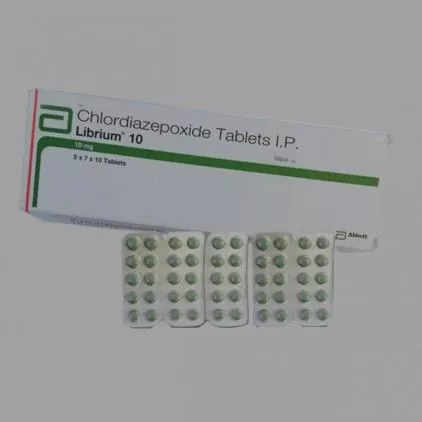
Chlordiazepoxide (Librium 10mg): Uses, Benefits, Side Effects, and Safety Information.
Chlordiazepoxide, commonly known by the brand name Librium, is a prescription medication belonging to the benzodiazepine class. It is primarily used to treat anxiety disorders, alcohol withdrawal symptoms, and short-term anxiety-related conditions. Librium 10mg is one of the commonly prescribed strengths and is known for its calming effects on the central nervous system.
What Is Chlordiazepoxide (Librium 10mg)?
Chlordiazepoxide is one of the first benzodiazepines ever developed and remains widely used in clinical practice today. It works by reducing excessive brain activity, helping to promote relaxation and reduce anxiety symptoms.
Doctors may prescribe Librium 10mg for:
- Generalized anxiety disorder (GAD)
- Acute anxiety episodes
- Alcohol withdrawal syndrome
- Pre-surgical sedation (in some cases)
- Muscle relaxation (off-label use)
Because of its long half-life, chlordiazepoxide provides a steady calming effect over time.
How Librium Works in the Brain
Chlordiazepoxide enhances the activity of gamma-aminobutyric acid (GABA), a neurotransmitter responsible for calming nervous system activity.
By increasing GABA’s effects, Librium helps:
- Reduce anxiety
- Promote relaxation
- Prevent withdrawal-related agitation
- Improve sleep in anxious patients
- Decrease nervous system overactivity
Its gradual and long-lasting action makes it especially useful in managing alcohol withdrawal symptoms.
Medical Uses of Chlordiazepoxide
1. Anxiety Disorders
Librium is commonly prescribed for short-term relief of anxiety symptoms. It may help individuals experiencing:
- Excessive worry
- Panic symptoms
- Stress-related anxiety
- Emotional tension
2. Alcohol Withdrawal Treatment
One of the most important uses of chlordiazepoxide is managing alcohol withdrawal syndrome. It helps reduce symptoms such as:
- Tremors
- Anxiety
- Seizures
- Agitation
- Sweating
- Insomnia
It is often used in medically supervised detox programs.
3. Short-Term Sedation
In some cases, Librium may be used before medical procedures to reduce anxiety and promote relaxation.
Benefits of Chlordiazepoxide (Librium 10mg)

Long-Lasting Relief
Librium has a long duration of action, providing steady anxiety control over time.
Effective for Withdrawal Management
It is highly effective in reducing alcohol withdrawal symptoms and preventing complications.
Calming Effects
Patients often experience reduced anxiety, improved relaxation, and better sleep quality.
Widely Studied Medication
As one of the earliest benzodiazepines, chlordiazepoxide has decades of clinical use and research supporting its effectiveness.
Common Side Effects
Like all benzodiazepines, chlordiazepoxide may cause side effects. Common ones include:
- Drowsiness
- Dizziness
- Fatigue
- Confusion
- Blurred vision
- Lack of coordination
- Weakness
These effects are usually more noticeable when starting treatment or increasing dosage.
Serious Risks and Warnings
Dependence and Tolerance
Long-term use of Librium may lead to physical dependence. Patients should never stop the medication suddenly without medical supervision.
Sedation and Impaired Function
Chlordiazepoxide may affect alertness and coordination, making driving or operating machinery unsafe.
Respiratory Depression
Combining Librium with alcohol, opioids, or other sedatives can increase the risk of severe breathing problems.
Withdrawal Symptoms
Abrupt discontinuation may cause withdrawal effects such as:
- Anxiety rebound
- Insomnia
- Irritability
- Tremors
- Seizures
A gradual tapering process is required under medical supervision.
Important Safety Information
Chlordiazepoxide should only be used exactly as prescribed by a licensed healthcare provider.
Avoid Alcohol
Alcohol significantly increases sedation and risk of dangerous side effects.
Inform Your Doctor About Medical Conditions
Patients should disclose:
- Liver disease
- Respiratory conditions
- History of substance use disorder
- Mental health conditions
- Pregnancy or breastfeeding status
Drug Interactions
Librium may interact with:
- Opioid medications
- Sleeping pills
- Antidepressants
- Antihistamines
Always inform your healthcare provider about all medications being used.
Who Should Avoid Chlordiazepoxide?
Librium may not be suitable for individuals with:
- Severe liver disease
- Respiratory disorders such as sleep apnea
- History of benzodiazepine dependence
- Allergies to benzodiazepines
A medical professional should evaluate risks before prescribing.
Dosage Information (Librium 10mg)
Dosage varies depending on the condition being treated.
Factors influencing dosage include:
- Age
- Severity of symptoms
- Medical history
- Response to treatment
The 10mg strength is commonly used in both anxiety management and alcohol withdrawal protocols.
Patients should never adjust dosage without medical guidance.
Librium vs Other Benzodiazepines
Chlordiazepoxide differs from other benzodiazepines due to its long half-life.
Advantages
- Longer-lasting effects
- Stable symptom control
- Effective in withdrawal treatment
Considerations
- May cause prolonged sedation in some patients
- Slower onset compared to shorter-acting benzodiazepines
Tips for Safe Use
To ensure safe and effective treatment:
- Take medication exactly as prescribed
- Avoid alcohol and recreational substances
- Do not share medication with others
- Store securely away from children
- Attend regular medical check-ups
- Report side effects to a doctor promptly
Alternatives to Librium
Depending on the condition, alternatives may include:
- Other benzodiazepines (short-term use)
- SSRIs for anxiety disorders
- Cognitive behavioral therapy (CBT)
- Lifestyle changes and stress management techniques
- Medically supervised detox programs
Treatment plans should always be personalized.
Chlordiazepoxide (Librium 10mg) remains an important medication in the treatment of anxiety disorders and alcohol withdrawal syndrome. Its long-lasting calming effects and well-established clinical history make it a valuable option in carefully monitored medical settings.

However, due to risks such as dependence, sedation, and withdrawal symptoms, it must always be used under strict medical supervision. Patients should follow all prescribing instructions and communicate openly with healthcare professionals about any concerns.


Reviews
There are no reviews yet.