Uncategorized
K2 Incense

Jul
K2 Incense: What It Is, Safety Risks, Legal Status, and What You Should Know
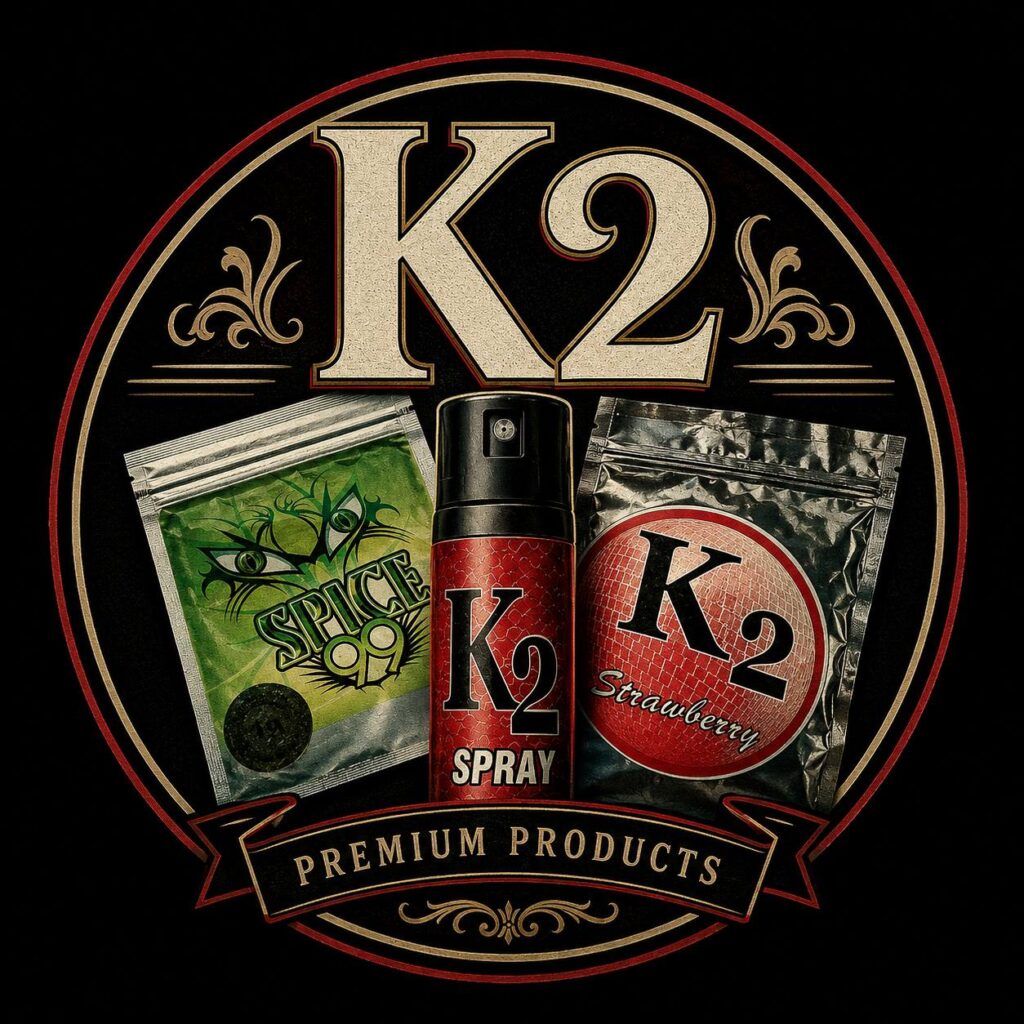
The term K2 incense has attracted significant online attention over the past decade. While many people search for K2 incense expecting information about herbal incense products, the term is commonly associated with products that have contained synthetic cannabinoids rather than traditional incense ingredients.
If you’re researching K2 incense, it’s important to understand what the name refers to, how it differs from ordinary incense, the potential health risks, and why authorities in many countries regulate or prohibit these products.
This guide provides an educational overview suitable for readers in the United States, the United Kingdom, and Europe.
What Is K2 Incense?
K2 incense is a name that has been used to market certain products labeled as “herbal incense” or “potpourri.” Although packaging often suggested the products were intended as incense, many products sold under the K2 name were found to contain synthetic cannabinoids—laboratory-made chemicals designed to interact with the body’s cannabinoid receptors.
Unlike traditional incense, which is burned to produce fragrance, products marketed as K2 have often been associated with recreational drug use and have raised serious public health concerns.
Today, the term “K2 incense” is still widely searched online because many people want to understand its history, legality, and risks.
How Is K2 Different from Traditional Incense?
Traditional incense has been used for centuries in homes, places of worship, meditation practices, and aromatherapy. Common ingredients include:
- Sandalwood
- Frankincense
- Myrrh
- Cedarwood
- Lavender
- Rose petals
- Natural herbs
- Essential oils
K2 products are fundamentally different because many have contained synthetic chemicals that were never intended for use as ordinary fragrance products.
Understanding this distinction is important when researching or purchasing incense products.
Why Did K2 Become Popular?
K2 products gained popularity because they were initially marketed under labels such as:
- Herbal incense
- Potpourri
- Aromatic blends
- Not for human consumption
Some consumers mistakenly believed these labels meant the products were safe or natural. In reality, numerous products marketed as K2 contained unpredictable synthetic compounds.
As scientific testing improved, many governments introduced regulations to restrict or ban these substances.
Potential Health Risks
Health authorities have reported that synthetic cannabinoids can produce unpredictable and sometimes severe effects.
Possible health risks include:
- Anxiety
- Confusion
- Rapid heart rate
- High blood pressure
- Hallucinations
- Seizures
- Aggressive behavior
- Loss of consciousness
The exact effects vary because products sold under the same brand name have not always contained the same ingredients.
For this reason, health agencies advise avoiding products marketed as synthetic cannabinoid incense.
Legal Status in the USA
In the United States, many synthetic cannabinoids have been classified as controlled substances under federal law.
Individual states may also have additional laws restricting these chemicals.
Because manufacturers have frequently altered chemical formulas to avoid regulations, legislation has continued to evolve over time.
Anyone researching K2 incense should check current federal and state regulations before assuming a product is legal.
Legal Status in the United Kingdom
The United Kingdom has implemented strict controls on synthetic cannabinoids.
The Psychoactive Substances Act significantly restricted the production, distribution, and sale of psychoactive substances that are not specifically exempted.
Possession, supply, or production may carry serious legal consequences depending on the circumstances.
Legal Status Across Europe
European countries generally regulate synthetic cannabinoids through national drug laws.
While regulations vary by country, many European governments prohibit or tightly control these substances due to public health concerns.
Travelers should always review local laws before transporting any herbal or incense-related products across borders.
Why Product Labels Can Be Misleading
One challenge with K2 incense products is that packaging has not always accurately reflected the ingredients.
Labels such as:
- Herbal blend
- Natural incense
- Botanical mixture
do not necessarily indicate that a product contains only natural ingredients.
Consumers should be cautious of products that provide incomplete ingredient information or make vague claims.
Safer Alternatives
If your goal is simply to enjoy pleasant aromas or create a relaxing atmosphere, traditional incense products made from natural ingredients are a safer option.
Popular alternatives include:
- Sandalwood incense
- Frankincense
- Lavender incense
- Patchouli
- Cedarwood
- Jasmine
- Vanilla
- Rose incense
These products are commonly used for fragrance, meditation, and home ambiance.
Frequently Asked Questions
Is K2 incense the same as traditional incense?
No. Traditional incense is intended for fragrance, while products marketed as K2 have often been associated with synthetic cannabinoids.
Is K2 incense legal?
The legal status varies depending on the country and the specific chemicals involved. Many synthetic cannabinoids are illegal or tightly regulated in the USA, UK, and Europe.
Is K2 made from natural herbs?
Although some products included plant material, many also contained laboratory-produced synthetic chemicals.
Why is K2 considered risky?
The composition of these products has often varied significantly, making their effects unpredictable and increasing the risk of serious health problems.
K2 incense remains a frequently searched topic because of its association with synthetic cannabinoids and changing legal regulations. Although marketed in the past as herbal incense or aromatic blends, these products have been linked to significant health risks and legal restrictions in many countries.
