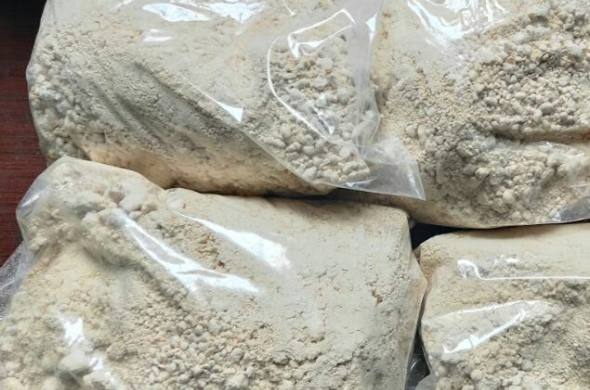
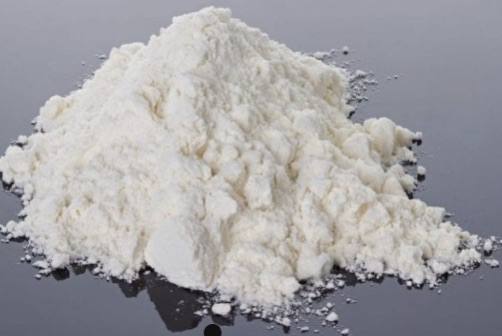
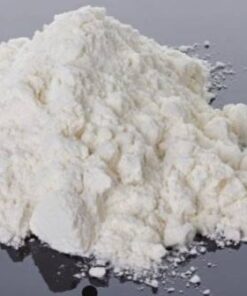
jwh 018 for sale

Price range: $180.00 through $1,800.00
JWH-018, also known as 1-pentyl-3-(1-naphthoyl)indole, is a synthetic cannabinoid that acts on cannabinoid receptors in the human body. JWH-018 is a synthetic cannabinoid that interacts with cannabinoid receptors and has significant relevance to pharmacological research, forensic toxicology, and public health. JWH-018
JWH-018: Understanding Its Chemistry, Effects, Risks and Legal Status
JWH 018 for sale is a synthetic cannabinoid that has attracted considerable attention in scientific research, drug policy discussions, and public health investigations. It belongs to a chemical family known as aminoalkylindoles and was originally developed for laboratory research involving cannabinoid receptors.
Unlike naturally occurring cannabinoids found in cannabis plants, JWH-018 for sale is manufactured synthetically. It interacts with the body’s cannabinoid receptors and can produce powerful psychoactive effects. Its association with products commonly known as Spice and K2 has made it an important subject of international drug safety research.
Understanding JWH-018 requires examining its chemical properties, pharmacological activity, potential health consequences, and legal classification.
What Is JWH-018?
JWH-018, also known as 1-pentyl-3-(1-naphthoyl)indole, is a synthetic cannabinoid that acts on cannabinoid receptors in the human body.
It was initially developed by researchers studying how chemical compounds interact with the endocannabinoid system. However, it later became associated with recreational synthetic cannabinoid products.
The compound has a molecular formula of C24H23NO and a molecular weight of approximately 341.45 g/mol.
Research indicates that JWH-018 can activate CB1 and CB2 cannabinoid receptors. Its activity at these receptors helps explain its psychoactive properties and the potentially unpredictable effects associated with exposure.
How Does JWH-018 Work?
The human endocannabinoid system plays an important role in regulating several physiological processes, including mood, memory, appetite, and pain perception.
JWH-018 interacts with cannabinoid receptors, particularly CB1 receptors found throughout the central nervous system.
Unlike THC, which has a different pharmacological profile, JWH-018 can act as a potent full cannabinoid receptor agonist.
This distinction is important because synthetic cannabinoids may produce stronger and less predictable effects than naturally occurring cannabinoids.
The intensity of these effects can vary depending on the compound, exposure, individual characteristics, and other substances present in a product.
Potential Health Risks of JWH-018
JWH-018 has been associated with significant health concerns. Scientific and clinical reports have documented adverse reactions following exposure to this synthetic cannabinoid.
Potential complications include:
- Rapid heartbeat and cardiovascular complications.
- Increased blood pressure.
- Severe anxiety and panic reactions.
- Confusion and disorientation.
- Seizures.
- Hallucinations and psychotic symptoms.
- Loss of consciousness.
- Potential dependence and withdrawal symptoms.
Some reported cases have involved severe poisoning and life-threatening complications.
Unlike regulated pharmaceutical products, illicit synthetic cannabinoid preparations may contain unpredictable substances and concentrations.
Consequently, identifying the exact contents of a product can be difficult without appropriate laboratory testing.
JWH-018 and Scientific Research
Although JWH-018 became associated with recreational drug products, its original development was connected to scientific research.
Researchers investigated synthetic cannabinoids to understand cannabinoid receptor interactions and the broader endocannabinoid system.
Such research has contributed to scientific knowledge about receptor activation, pharmacological activity, and the differences between naturally occurring and synthetic cannabinoids.
However, laboratory research involving a chemical compound should not be confused with evidence that the substance is safe for human consumption.
JWH-018 has no established therapeutic application or approved medical use.
Legal Status of JWH-018 in the USA, UK and Europe
The legal classification of JWH-018 is an important consideration for anyone researching synthetic cannabinoids.
United States: JWH-018 is classified as a Schedule I controlled substance under federal controlled-substance legislation. Its unauthorized manufacture, distribution, possession, and sale are subject to federal restrictions.
United Kingdom: Synthetic cannabinoids are subject to strict controls under UK drug legislation, including the Psychoactive Substances Act 2016 and applicable controlled-drug provisions.
European Union: JWH-018 is internationally controlled under Schedule II of the 1971 Convention on Psychotropic Substances. Individual European countries also implement national restrictions.
Because drug legislation can change, individuals and organizations should consult the relevant national regulatory authorities for current requirements.
Why Understanding Synthetic Cannabinoids Matters
Synthetic cannabinoids represent an important public health concern because their chemical structures and pharmacological properties can vary considerably.
Products marketed under similar names may contain entirely different substances.
This creates challenges for healthcare professionals, researchers, regulators, and drug-monitoring organizations.
Public education helps people understand the distinction between naturally occurring cannabinoids and synthetic compounds associated with unpredictable health consequences.
Frequently Asked Questions About JWH-018
1. What is JWH-018?
JWH-018 is a synthetic cannabinoid originally developed for laboratory research into cannabinoid receptors.
2. Is JWH-018 natural or synthetic?
It is a synthetically manufactured chemical compound.
3. Is JWH-018 the same as THC?
No. Although both interact with cannabinoid receptors, they have different chemical structures and pharmacological properties.
4. Is JWH-018 legal in the USA?
No. JWH-018 is federally classified as a Schedule I controlled substance.
5. Is JWH-018 approved for medical use?
No established therapeutic application or approved medical use exists.
6. What are the potential dangers of JWH-018?
Reported risks include cardiovascular complications, seizures, severe psychological reactions, and potentially fatal intoxication.
Conclusion
JWH-018 is an important example of a synthetic cannabinoid whose scientific history differs significantly from its later association with recreational drug products.
Although initially developed for cannabinoid receptor research, it has become a subject of international public health and regulatory concern.
Understanding its chemical properties, potential health consequences, and legal classification is essential when researching synthetic cannabinoids.
Reliable scientific information and responsible public education remain important for audiences in the United States, United Kingdom, and throughout Europe.
| QUENTITY | 10g, 50g, 100g, 500g, 1kg |
|---|
Be the first to review “jwh 018 for sale”
Related products
K2 Chem / K2 powder

K2 Chem / K2 powder
K2 Chem / K2 powder
Reviews
There are no reviews yet.