
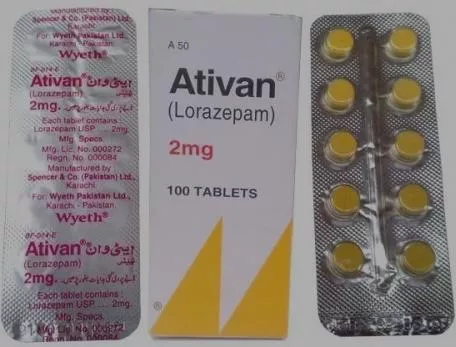
Lorazepam 2mg (Ativan)


Lorazepam 2mg (Ativan) remains an important medication for treating anxiety disorders, sleep disturbances, seizure emergencies, and procedural sedation. When used correctly under medical supervision, it can provide effective short-term relief and improve patient comfort.
Lorazepam 2mg (Ativan): Uses, Benefits, Side Effects, and Important Safety Information
Lorazepam 2mg, commonly known by the brand name Ativan, is a prescription medication widely used to treat anxiety disorders, insomnia related to anxiety, seizure conditions, and certain medical procedures requiring sedation. As part of the benzodiazepine class of medications, Lorazepam works by calming the central nervous system and helping reduce excessive brain activity.
What Is Lorazepam 2mg (Ativan)?
Lorazepam is a prescription benzodiazepine medication used to treat anxiety and related conditions. It is available in several strengths, including the commonly prescribed 2mg dosage.
Doctors may prescribe Lorazepam for:
- Anxiety disorders
- Panic attacks
- Insomnia related to anxiety
- Seizure management
- Pre-surgical sedation
- Acute agitation in medical settings
The medication is known for its calming and sedative effects, which can help individuals experiencing severe anxiety or nervous system overstimulation.
How Lorazepam Works
Lorazepam works by enhancing the effects of gamma-aminobutyric acid (GABA), a neurotransmitter in the brain that helps slow down nervous system activity.
By increasing GABA activity, Lorazepam may help:
- Reduce anxiety
- Promote relaxation
- Improve sleep
- Decrease agitation
- Control seizure activity
Because of its effect on the nervous system, Lorazepam should only be used under professional medical supervision.
Medical Uses of Lorazepam 2mg
Treatment of Anxiety Disorders
One of the most common uses of Lorazepam is managing anxiety symptoms. It may help individuals experiencing:
- Generalized anxiety disorder (GAD)
- Panic attacks
- Severe stress-related anxiety
- Short-term anxiety episodes
Insomnia Related to Anxiety
Lorazepam may be prescribed short-term for sleep difficulties caused by anxiety or acute stress.
Seizure Control
In hospital settings, Lorazepam is sometimes used to help manage seizure emergencies such as status epilepticus.
Sedation Before Medical Procedures
Doctors may administer Lorazepam before surgeries or medical procedures to reduce anxiety and promote relaxation.
Benefits of Lorazepam 2mg
Fast-Acting Anxiety Relief
Lorazepam is known for its relatively quick onset, making it useful for acute anxiety episodes.
Calming Effect
The medication may help patients feel calmer and more relaxed during periods of high stress or panic.
Sleep Improvement
For individuals whose anxiety interferes with sleep, Lorazepam may help improve rest temporarily.
Medical Sedation Support
Its sedative properties make it valuable in surgical and emergency medical settings.
Common Side Effects of Lorazepam
Like all medications, Lorazepam may cause side effects. Common side effects can include:
- Drowsiness
- Dizziness
- Fatigue
- Weakness
- Confusion
- Blurred vision
- Sleepiness
These effects may vary depending on dosage, age, and individual sensitivity.
Serious Risks and Warnings
Risk of Dependence
Long-term use of benzodiazepines may lead to physical dependence or tolerance. Patients should never stop the medication suddenly without medical guidance.
Sedation and Impaired Coordination
Lorazepam may impair coordination, reaction time, and judgment. Driving or operating machinery may be unsafe while using the medication.
Respiratory Depression
Combining Lorazepam with alcohol, opioids, or other sedatives may increase the risk of dangerous breathing problems.
Withdrawal Symptoms
Abrupt discontinuation after prolonged use may cause withdrawal symptoms such as:
- Anxiety
- Insomnia
- Tremors
- Irritability
- Seizures
Tapering schedules should always be supervised by a healthcare professional.
Important Safety Information
Lorazepam should only be used exactly as prescribed by a licensed healthcare provider.
Avoid Alcohol and Sedatives
Mixing benzodiazepines with alcohol or unauthorized substances may increase overdose risk.
Inform Your Doctor About Medical History
Patients should discuss:
- Respiratory conditions
- Liver disease
- Mental health conditions
- Substance use history
- Current medications
Use During Pregnancy
Lorazepam may not be suitable during pregnancy unless specifically recommended by a healthcare provider.
Lorazepam Dosage Information
Dosage varies depending on:
- Medical condition
- Age
- Severity of symptoms
- Response to treatment
The 2mg dosage is considered a relatively strong dose and should only be taken according to physician instructions.
Patients should never adjust dosage independently.
Who Should Avoid Lorazepam?
Lorazepam may not be suitable for individuals with:
- Severe respiratory disorders
- Sleep apnea
- Certain liver conditions
- History of substance misuse
- Allergy to benzodiazepines
Healthcare professionals evaluate each patient individually before prescribing treatment.
Tips for Safe Lorazepam Use
To improve medication safety:
- Take medication only as directed
- Avoid alcohol and recreational drugs
- Do not share prescriptions
- Store medication securely
- Attend regular follow-up appointments
- Discuss concerns with your healthcare provider
Responsible use is essential to reduce health risks.
Alternatives to Lorazepam
Depending on the condition being treated, doctors may recommend alternatives such as:
- Cognitive behavioral therapy (CBT)
- Antidepressant medications
- Lifestyle modifications
- Stress management techniques
- Non-benzodiazepine sleep aids
Treatment plans are individualized based on patient needs.
Lorazepam 2mg (Ativan) remains an important medication for treating anxiety disorders, sleep disturbances, seizure emergencies, and procedural sedation. When used correctly under medical supervision, it can provide effective short-term relief and improve patient comfort.
However, because Lorazepam is a benzodiazepine with risks of dependence, sedation, and withdrawal, careful monitoring and responsible use are essential. Patients should always follow healthcare provider instructions and discuss any concerns regarding side effects or long-term treatment.
| Quantity | 30 PILLS, 60 PILLS, 90 PILLS, 120 PILLS |
|---|
Be the first to review “Lorazepam 2mg (Ativan)”
Related products



K2 Chem / K2 powder

K2 Chem / K2 powder

K2 Chem / K2 powder



K2 Chem / K2 powder
Reviews
There are no reviews yet.